

The school year is almost here, and that means kids are stocking up on supplies, teachers are preparing their classrooms, and everyone is getting back into a busier routine. So if you notice back pain starting to creep into your life, don’t be surprised. Heavy backpacks, classroom preparation, and long hours on your feet can all put added stress on the spine.
Fortunately, back pain doesn’t have to be part of your back-to-school routine. Early attention from the Teton Therapy team can help address that discomfort so you can focus on the year ahead.
Back-to-School Back Pain in Kids and Teens
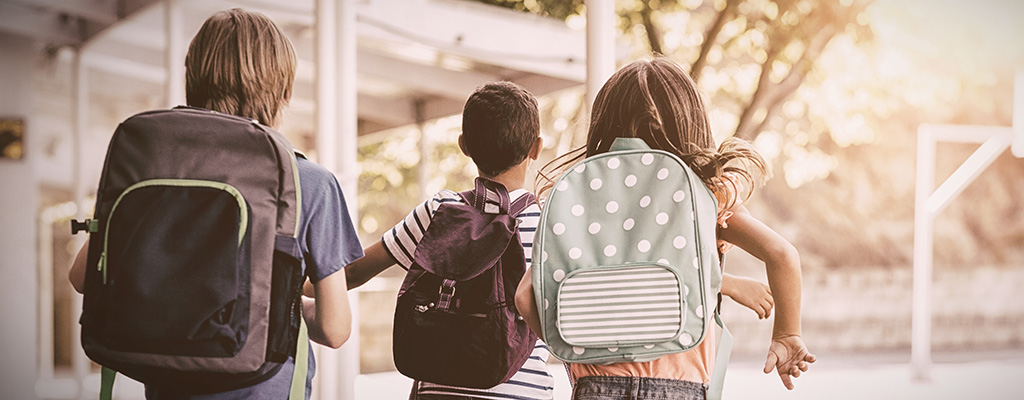
If there’s one thing synonymous with the new school year, it’s the backpack. While backpacks are rarely the sole cause of ongoing back problems, they can aggravate discomfort in the shoulders and middle back, especially if your child is carrying too much weight or wearing the pack incorrectly.
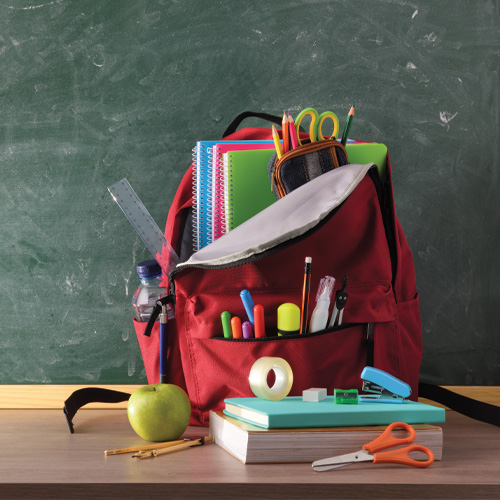
Here are some best practices for using backpacks this year:
- Keep them light. A loaded backpack should generally weigh no more than 10-15% of your child’s body weight.
- If your child’s backpack tends to be on the heavier side, choose one with padded straps or a waist and chest strap.
- Use both shoulder straps, since wearing one strap places uneven stress on the back and shoulders.
- When packing a backpack, place heavier books toward the back to improve balance.
- Have your child clean out their backpack regularly to avoid unnecessary weight.
If your child routinely complains about back or shoulder pain, don’t assume it’s just growing pains.
Teachers Face Back-to-School Back Pain, Too
With teachers spending much of their day standing, bending over their students’ desks, and writing on the whiteboard, their spines can take on a great deal of stress–no backpack required.
Several factors can contribute to back pain among teachers. Standing at the front of the classroom for long periods of time without changing your position can be a major concern, as can carrying around heavy textbooks or classroom supplies. Long workdays and a lack of position variety can lead to muscle fatigue that might worsen symptoms as well.
Fortunately, several simple strategies can make a meaningful difference:
- Move around your classroom while teaching (which has the added benefit of keeping kids engaged, too).
- Use your legs, not your back, when lifting boxes or other supplies.
- Perform gentle stretches during your planning periods
- Strengthen your core muscles with regular exercise to support your spine.
However, if pain starts interfering with teaching or other daily activities, it’s time to reach out to Teton Therapy. We’ll help you understand the specific reasons for your symptoms and create a care plan tailored to your needs.
Start the School Year Strong
A new school year should bring new opportunities, not ongoing back pain. Whether your child is carrying a heavy backpack or you’re spending long days in the classroom, back discomfort doesn’t have to be part of your routine.
Contact Teton Therapy today to schedule an evaluation and take the first step toward moving with greater comfort and confidence throughout the school year.
Cheyenne, 307-441-3548
Lander, 307-387-6230
Riverton, 307-248-7442


Your Success Is Our Priority!
Ready to keep moving forward? Return to Teton Therapy and schedule your appointment now!

Patient Testimonial
“When I came to Teton, I was in constant pain. My elbow limited me to where I couldn’t use my arm, not even for lifting a glass of water. The OT Team was awesome at helping reduce pain and used multiple techniques to troubleshoot and support my healing journey. Teton was flexible with appointments and prioritized my needs. Jacqui always made me feel heard and comfortable at every visit. After a long recovery, I’m happy to report I’m pain free and back to enjoying all the things I did before I was injured. Thanks, Teton!”
-A.M.
SHARE YOUR SUCCESS STORY TODAY!
Exercise Tip of the Month
ERGONOMIC STRETCH
Stretch Tracker
Follow Us on Social Media!
Stay in the Game: The Role of Sports Physical Therapy
Athletes often push their bodies to the limit to achieve their goals. This intense effort, or an unfortunate accident, can sometimes lead to injuries. Fortunately, with the right information and approach, many of these injuries can be effectively managed through physical therapy.
Here, we explore the most common sports injuries and how physical therapy can help with your rehabilitation.
Common Sports Injuries
First, let's discuss some of the most frequently encountered sports injuries. One of the main reasons for these injuries is deceleration, which puts massive, rapid strain on muscles and ligaments, and sudden changes in direction, which can cause lower-body sprains and strains.
In addition, inadequate or improper training methods, including insufficient warm-up and improper technique, elevate the risk of injuries. Overuse injuries (i.e., repetitive stress) happen when repeating the same movement places a larger workload on your tissues than they can safely handle without proper rest, leading to complications such as tendonitis.

The top sports injuries are:
Ankle Sprains:
Knee Injuries:
Shoulder Injuries:
Fractures:
Seek the Right Guidance
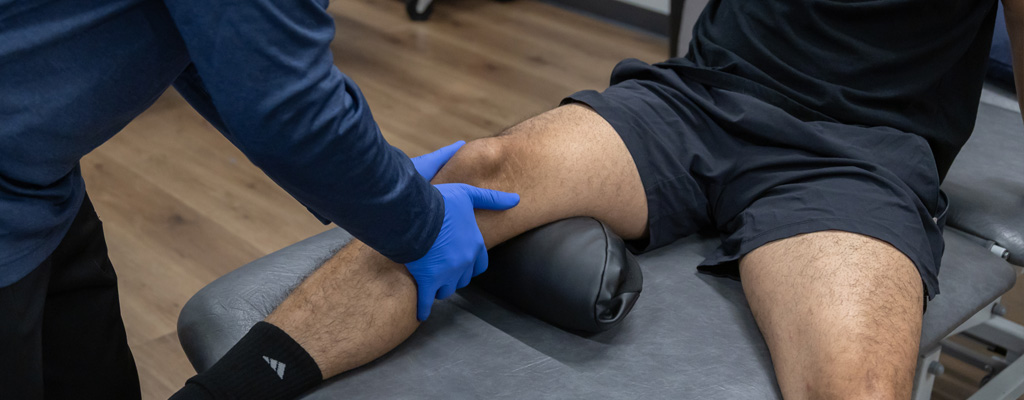
Physical therapy plays a significant role in helping athletes recover from sports injuries so they can return to optimal performance levels. Here's how:
Personalized Plans:
Education and Training:
Functional Restoration:
If you’ve suffered a sports injury, call Teton Therapy to schedule a consultation with our team and get back in the game!
Call, text or click to schedule your free consultation today!
In Cheyenne, 307-441-3548
In Lander, 307-387-6230
In Riverton, 307-248-7442
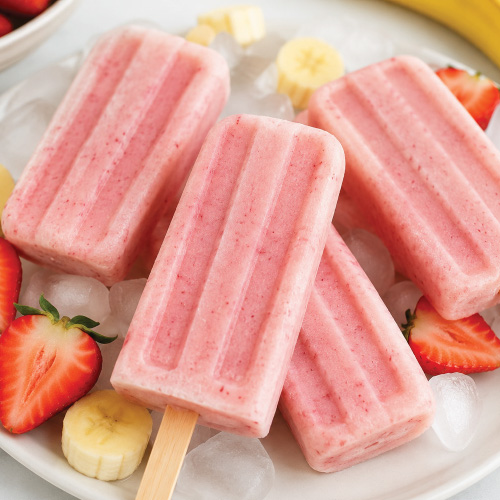
Cool off with these delicious strawberry & banana popsicles, a refreshing homemade treat bursting with fruity flavor and creamy goodness. They’re easy to make, naturally satisfying, and perfect for enjoying on a warm summer day!
Teton Therapy's Monthly Healthy Recipe
Strawberry & Banana Popsicles
- 1 pound strawberries, washed and stems removed
- 1 large, ripe banana
- 1/2 cup vanilla yogurt
- 1/2 cup milk
- sugar to taste (optional: let the fruit do the work instead!)
Add the strawberries, banana, milk, and yogurt to the bowl of a food processor or blender and blend until smooth. Taste and add sugar if needed, depending on the ripeness of your fruit and your taste preferences. Pour the liquid into popsicle molds (or even paper cups), insert the handles, and freeze until firm, generally overnight. Enjoy frozen the next day.