


Give Arthritis the Cold Shoulder This Winter
Does it seem like your joints notice the drop in temperature before you do? If you have arthritis, this cold-weather increase in pain might not actually be in your head. From increased stiffness and pain to a harder time moving around, some people with arthritis notice their symptoms worsen in the winter.
However, that doesn’t mean you have to put your life on hold until spring. At Teton Therapy, our team of physical and occupational therapists can help you manage your symptoms and stay active all season long.
Why Can Arthritis Feel Worse in Cold Weather?
There are a couple of reasons why your arthritis symptoms might seem worse in the winter.
One has to do with weather changes, particularly changes in temperature, humidity, and barometric pressure. While the exact mechanism of the connection is uncertain, it likely involves how these changes can increase stiffness or sensitivity in affected tissues, leading to heightened symptoms.
However, another key factor is that winter often changes your daily habits. Many people tend to hibernate in the winter, becoming less physically active as they retreat indoors. This inactivity can lead to stiffer joints, making that first walk across the room or trip up the stairs more uncomfortable.
Fortunately, this means movement remains one of the most useful tools for managing arthritis and maintaining function, even in winter.
Build a Winter Movement Routine You Can Maintain
Even if the cold is making you feel stiffer than usual, gentle activity can help you loosen up. Try these strategies:
- Take short movement breaks if you’ve been sitting for a while
- Always incorporate a brief warm-up before exercise or outdoor activity
- Break longer workouts into smaller, manageable sessions
- Find indoor exercise you enjoy, such as yoga or a stationary bike
- Gradually increase exercise rather than doing too much at once
- Adjust the type, duration, or intensity of activity during symptom flare-ups without stopping movement altogether
Keep Moving With Physical Therapy
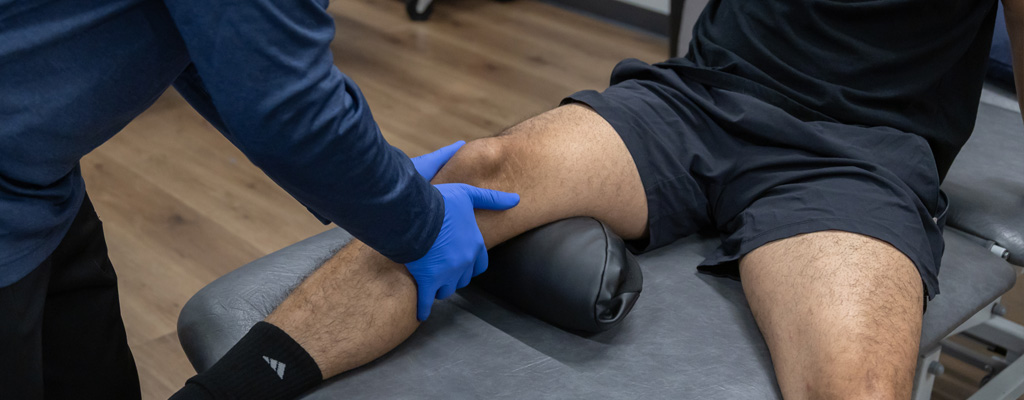
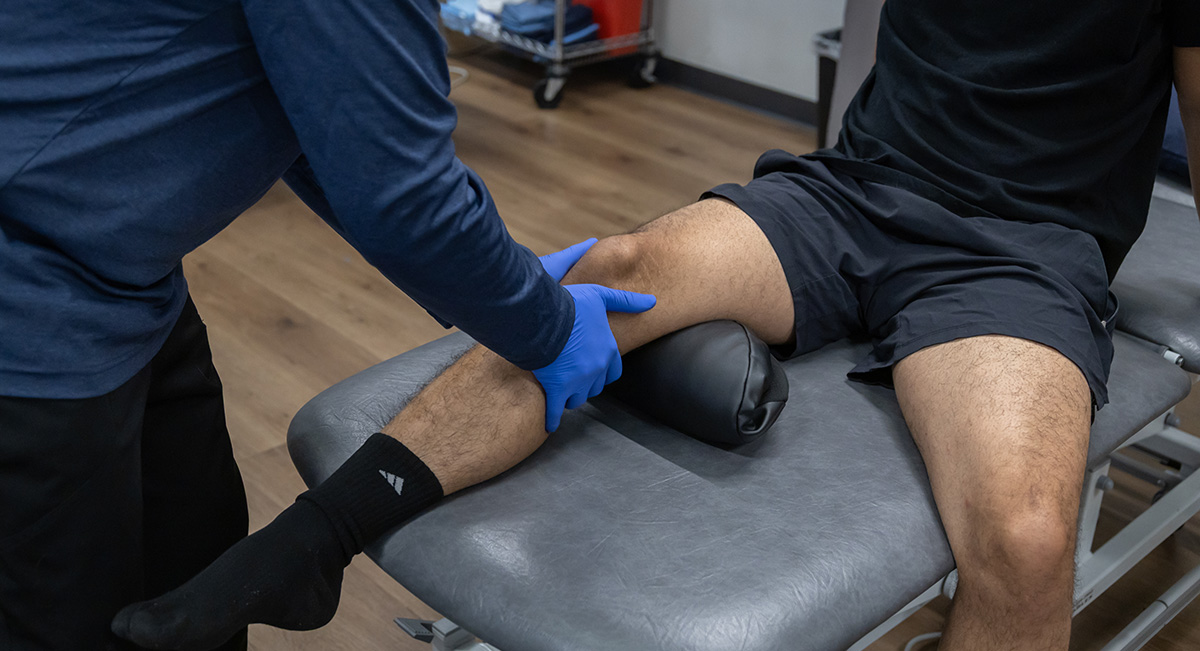
If arthritis is really interfering with your daily routine, physical therapists at Teton Therapy get you moving in a way that works for you. We’ll evaluate how your joints, muscles, and movement patterns are affecting your function, then create a personalized plan to help you feel and function better. This might include:
Strengthening Exercises
- Stronger muscles build the physical capacity and help support arthritic joints, making activities such as walking, climbing stairs, and getting out of a chair easier.
Mobility Exercises
- Gentle, controlled movement can help maintain or improve joint mobility and reduce the stiffness that often follows inactivity.
Aerobic Activity
- Walking, cycling, and other appropriate activities can improve endurance and help you stay physically active.
Balance and Coordination Training
- Exercises that challenge control and stability can improve confidence with daily movement.
Functional Training
- If needed, you might practice movements that relate directly to your goals, such as squatting, lifting, getting on and off the floor, or returning to recreational activities.
Occupational Therapy Can Make Daily Life Easier, Too
One of the biggest challenges of arthritis is that it can make everyday tasks harder, especially if the arthritis affects your hands, wrists, or shoulders. This is where occupational therapy can be especially beneficial. Its primary goal is to give you greater independence without asking you to avoid the activities you value.
Our occupational therapists look at the specific activities giving you trouble and find practical ways to make them easier. Your plan might include:
- Strategies for protecting sensitive joints during daily tasks
- Changes to how you grip, carry, reach, cook, dress, or complete household activities
- Adaptive tools or equipment that reduce unnecessary strain
- Hand and upper-extremity exercises when appropriate
- Activity-pacing strategies that help you balance activity and rest
Keep Moving, No Matter the Forecast
Cold weather might make your arthritis symptoms flare up, but don’t let that determine how much you can do! With the right combination of movement, strengthening, activity modification, and personalized support, you can stay active and continue working toward your goals throughout the winter.
If arthritis pain or stiffness is making everyday activities harder, the physical and occupational therapy team at Teton Therapy is ready to help. Contact us today to schedule an evaluation and find a plan that helps you move forward with greater comfort and confidence.
Your Success Is Our Priority!
Ready to keep moving forward? Return to Teton Therapy and schedule your appointment now!
Stronger.
More Confident.
Truly Supported.
Teton Therapy does a great job. They helped me reach all my goals, and they were fun and supportive all the way through a very long experience. I hope I don’t ever have to, but I would go back in a heartbeat.”
Linda T.
Teton Physical Therapy Patient
Share Your Success Story Today!
Had a great experience at Teton Physical Therapy? Share your story and help others discover the difference personalized physical therapy can make.
Exercise Tip of the Month
CALF RAISES
Exercise Tracker
Complete 3 sets, 10 reps. Use a chair or countertop for balance as needed.

Teton Therapy • November
No Deductible November
Don’t let your hard-earned insurance benefits go to waste! If you’ve already met your deductible for the year, November is a great time to take advantage of your remaining benefits before your plan resets. Whether you’re dealing with an ongoing injury, managing pain, or simply want to keep moving your best, now is the time to schedule the care you’ve been putting off. Check with your insurance provider to confirm your remaining benefits and reach out to Teton Therapy to get started before the end of the year!
Make the most of your remaining benefits before the end of the year.
Follow Us on Social Media!

Innovative Approaches to Physical Wellness this Thanksgiving Season
Thanksgiving is more than just a day of feasting; it's a time to come together and celebrate what we're thankful for. While traditional advice often emphasizes the basics, let's elevate your approach to physical well-being this season with these cutting-edge tips:
Elevate Your Approach to Physical Well-Being
Thanksgiving is more than a day of feasting. It is an opportunity to prioritize movement, wellness, and the habits that help you feel your best.
Dynamic Warm-Up Before the Turkey Trot
If you're planning a Thanksgiving morning run or family games, forget old-school stretching. Use a dynamic warm-up to prep your muscles and boost your range of motion.
Text Neck Prevention
As we catch up on social media or text friends and family Thanksgiving wishes, "text neck" can be a real issue. Counteract this by sitting tall or not at all and doing neck stretches every hour.
Mindfulness Through Movement
Instead of sitting to meditate or relax, try combining mindfulness with gentle movements like Tai Chi or a light stroll through the neighborhood.
Embrace Your Health This Thanksgiving
Embrace your health by prioritizing your physical and mental well-being to ensure you have the best Thanksgiving yet! 🦃

Creamy Thai Carrot & Sweet Potato Soup
Ingredients
- 1 tbsp coconut oil
- 2 cups chopped yellow/sweet onion
- 2 cloves garlic, minced
- 1 tbsp minced fresh ginger
- 2 tbsp red curry paste
- 4 cups low-sodium vegetable broth, plus more if needed
- ¼ cup raw almond butter or peanut butter
- 3 cups diced peeled carrots
- 3 cups diced peeled sweet potatoes
- ½ tsp fine-grain sea salt
- Freshly ground black pepper
- Up to ¼ tsp cayenne pepper (optional, if you like spice)
Minced fresh cilantro
Fresh lime juice
Directions
- In a large pot, melt coconut oil over medium heat. Add onion, garlic, and ginger and sauté for 5-6 minutes until onion is translucent. Stir in curry paste.
- In a small bowl, whisk together some of the broth with almond butter until smooth. Add mixture to pot, along with carrots, sweet potatoes, salt, and remaining vegetable broth. Stir until combined.
- Bring soup to a low boil over medium-high heat and then reduce heat to medium-low. Cover and simmer for 15-20 minutes, until potatoes and carrots are fork-tender.
- Ladle soup carefully into a blender. You will likely have to do this in a couple of batches, depending on the size of your blender (never fill your blender past the maximum fill line).
- Being careful to avoid hot steam from the lid, blend on low and slowly increase speed until soup is completely smooth. Alternatively, you can use an immersion blender and blend the soup directly in the pot.
- Season with salt and black pepper to taste. For more spice, add ¼ tsp cayenne pepper, and blend again.
- Transfer soup back to pot and reheat if necessary. If desired, you can thin soup out with a bit more broth if it’s too thick for your preference.
- Ladle soup into bowls and top with minced cilantro and a squeeze of lime juice.
🍲 A Bowl Full of Comfort
Creamy sweet potatoes and carrots pair with fragrant ginger, garlic, red curry paste, and fresh lime for a cozy soup with plenty of color and flavor.