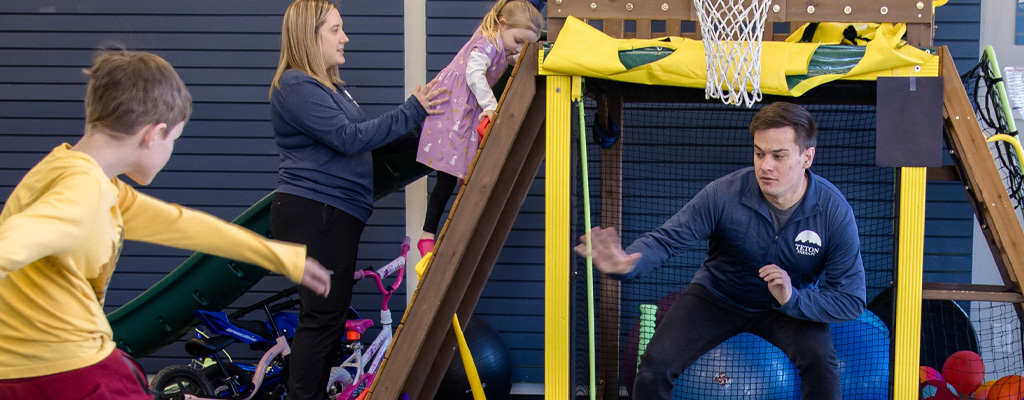


There’s no greater joy for a parent than watching their child grow. One day, they’re just learning to roll over, and before you know it, they’re racing across the playground.
But those milestones aren’t just items to check off a growth chart. They actually show that your child is developing at an appropriate pace, and each skill they learn builds on the ones that came before. So when a child misses key developmental milestones, they might benefit from a little extra support to catch up to their peers.
That’s where pediatric physical and occupational therapy at Teton Therapy comes in. Our pediatric therapists work closely with kids and their families to improve movement, build everyday skills, and help each child reach their full potential through personalized, evidence-based care.
A Closer Look at Developmental Milestones
Developmental milestones are skills that most children achieve within a general age range. They provide helpful markers about a child’s physical, cognitive, social, and emotional development. While every child develops differently, these milestones can provide a rough guideline for whether your child might benefit from additional support.
There are many examples of developmental milestones. Some you’re probably very familiar with, such as saying a first word or taking a first step around a child’s first birthday. Other examples include:
- Sitting and crawling by 10 months
- Standing independently by 15 months
- Climbing stairs safely by 4 years
That said, missing a milestone doesn’t automatically mean something is wrong. Many children simply benefit from targeted therapy to strengthen specific skills and gain confidence before delays begin affecting day-to-day life.
How Pediatric Physical Therapy Helps Kids Keep Moving Forward
While adult therapy usually helps people heal after an injury or surgery, pediatric physical therapy is specially designed to help kids reach important movement milestones. We help children build the muscle power, balance, and coordination they need to run, jump, play sports, and explore their world with total confidence.
Where adult physical therapy generally focuses on rehabilitation after injury or surgery, pediatric physical therapy is especially designed to help kids meet crucial movement-related milestones. We help kids build the strength, balance, mobility, and coordination they need to thrive in school, play, and confidently explore their world.
What to Expect from Pediatric PT
One thing pediatric physical therapy does share with its adult counterpart is personalized care plans. We offer several approaches, including:
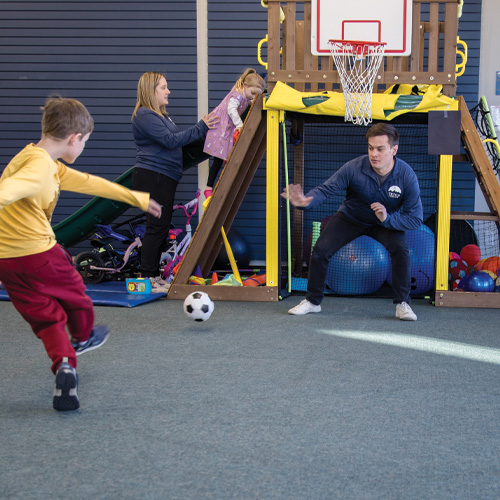
- Play-based exercises that encourage movement and skill development
- Balance and coordination activities
- Strengthening exercises using age-appropriate games and equipment
- Fun gait training activities to improve walking patterns
- Gross motor training, which focuses on large body movements like running, jumping, and climbing
- Family education and home exercise programs that reinforce progress between visits
Building Independence Through Pediatric Occupational Therapy
While physical therapy focuses primarily on movement and gross motor skills, pediatric occupational therapy helps children develop the everyday skills they use throughout the day. This might include:
- Fine-motor tasks, like holding pencils or cutting with scissors
- Self-care tasks, like using eating utensils or brushing their teeth
- Following routines with greater independence
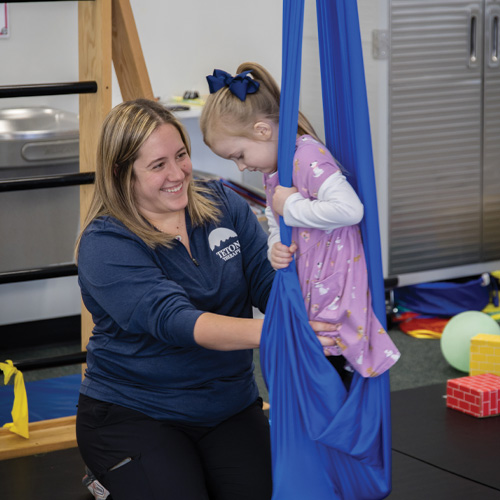
- Sensory processing, which helps kids who have trouble managing sensory input like sight, loud sounds, different textures, or movement
What to Expect from Pediatric OT
Like pediatric physical therapy, pediatric occupational therapy is designed around each child’s specific needs. For example, a child who struggles with sensory processing might not necessarily need to work on fine motor skills.
Some of the strategies we might recommend include:
- Fine motor skill development through play
- Hand strengthening activities
- Visual-motor exercises that improve coordination between the eyes and hands
- Sensory integration activities that help children respond more comfortably to everyday sensations
- Adaptive strategies for dressing, feeding, and other daily tasks
- Parent education and practical strategies for home and school
Helping Your Child Reach Their Potential
It can be frightening if a child misses a milestone, but a little extra guidance can make everyday tasks easier today while laying the groundwork for future success.
At Teton Therapy, our pediatric physical and occupational therapists partner with families to create individualized treatment plans that reflect each child’s unique strengths and goals. Together, we’ll help your child build important developmental skills, participate more fully in daily life, and continue moving toward future milestones.
If you have questions about your child’s development or have noticed they may be falling behind in certain skills, contact us today. Our compassionate team is here to help your child grow, learn, and thrive.
Cheyenne, 307-441-3548
Lander, 307-387-6230
Riverton, 307-248-7442

Your Success Is Our Priority!
Ready to keep moving forward? Return to Teton Therapy and schedule your appointment now!
Patient Testimonial
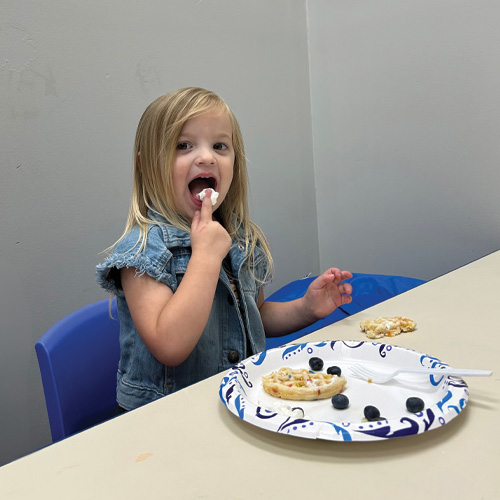
“Charli has been willing to try a lot of new foods and has found she likes more than she thought!”
SHARE YOUR SUCCESS STORY TODAY!
Exercise Tip of the Month
DOUBLE KNEES TO CHEST
Exercise Tracker
Complete 1 set of 3 repetitions. Hold each stretch for 30 seconds.
Follow Us on Social Media!
Why Some Kids Struggle With Balance and Coordination
Does your child seem to trip often? Do they have trouble using playground equipment or learning fun skills like riding a bike? While every kid is different, these kinds of ongoing balance or coordination challenges could have an underlying cause worth exploring with the pediatric therapists at Teton Therapy.
Kids and Balance: What You Need to Know
Balance is surprisingly complex. It starts in the brain, which receives information from the eyes, inner ears, muscles, and joints to determine the body's position in space. The brain then sends signals that help children stay upright and move safely. Balance or coordination challenges can arise if any part of that system is not working properly.

What Are Some Reasons Kids Might Struggle with Balance?
Delayed Motor Development
Sensory Processing Differences
Vestibular Challenges
Developmental Conditions
Limited Opportunities for Active Play
Addressing Balance Difficulties
Persistent balance concerns deserve attention. Early evaluation with the pediatric therapists at Teton Therapy can help determine whether additional support is needed and identify the best path forward. Schedule an appointment with us today to get started.
Call, text or click to schedule your free consultation today!
In Cheyenne, 307-441-3548
In Lander, 307-387-6230
In Riverton, 307-248-7442
Pelvic Floor Therapy
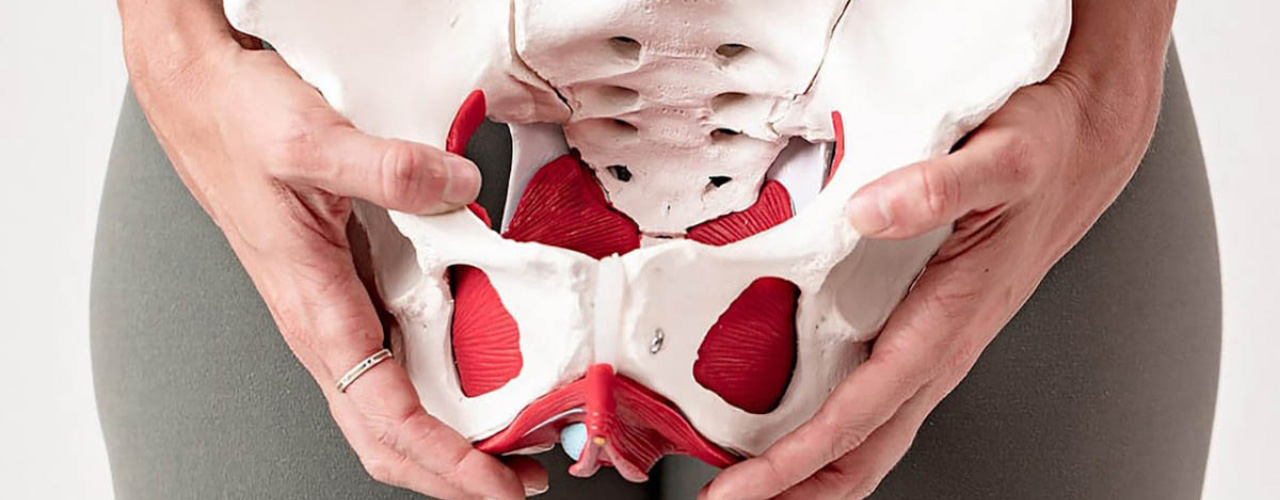
A common misconception regarding physical therapy for the pelvic floor is that there is only one population that will benefit. Not true! There are many different conditions that can be treated with Physical Therapy.
Pelvic Floor Conditions
- Incontinence (bowel and bladder)
- Constipation
- Dyspareunia (persistent or recurrent pain, before, during or after intercourse)
- Pregnancy
- Postpartum
- Prolapse (pelvic organs (bladder, uterus, or rectum) sag and press into the vaginal walls due to weakened muscles)
- Pelvic pain
- Pediatric incontinence and constipation
- And others!
What is Pelvic Floor Physical Therapy?
Certified physical therapists assess and treat the muscles, ligaments, and connective tissues that support the bladder, uterus and rectum. Due to the overlap of musculature, hip pain can also be targeted. By using targeted exercises, manual therapy, and education on posture and breathing, pelvic floor physical therapy helps improve muscle coordination, strength, and relaxation. This can reduce symptoms such as urinary leakage, constipation, pain during intercourse, and lower back or hip discomfort.
Beyond symptom relief, it empowers individuals with a better understanding of their bodies, helping them move, exercise, and carry out daily activities with greater comfort and confidence.
When to See a Professional
If you have any pain or discomfort with intercourse, leakage with movement or impact activities, or even just wanting to prepare your body for pregnancy, pelvic floor therapy is for you!
A factor that may keep individuals from seeking help is the internal examination, or internal work. While this is the gold standard for evaluating pelvic floor musculature, this is never a "must do" and conditions can be treated without having to work internally. Patient comfort is a priority and we understand that there can be underlying trauma and sensitivities surrounding pelvic work.
The therapists at Teton Therapy are experts in pelvic floor dysfunction and can help you live life pain-free and confident.
Ready to Take the Next Step?
Call, text or click to schedule your free consultation today!
Lander: 307-387-6230
Riverton: 307-248-7442

Fresh tomatoes, creamy mozzarella, fragrant basil, and toasted French bread come together in this classic Italian-inspired appetizer that's perfect for entertaining.
Teton Therapy's Monthly Healthy Recipe
Tomato, Mozzarella & Basil Bruschetta
- 1 (32-oz) can whole tomatoes, drained
- 1 cup fresh basil leaves
- 4 tbsp extra-virgin olive oil
- 6 cloves garlic, peeled
- Kosher salt & freshly ground black pepper
- 2 large French baguettes, sliced 1-inch thick (about 36 slices)
- 1 1/2 lbs fresh mozzarella cheese, sliced 1/4-inch thick
Preheat oven to 375 degrees F. In the bowl of a food processor, add drained tomatoes, 1 cup basil leaves, olive oil and 2 cloves garlic. Pulse until smooth, but somewhat chunky. Season with salt and pepper. On a baking sheet, line up baguette slices. Toast in oven for about 3 minutes. Working quickly, rub the remaining garlic on the toasted side of each slice and then lay a piece of mozzarella cheese on top. Place bread back in oven for about 45 seconds. Remove from oven and spread one tablespoon of the tomato mixture on each piece. Place bruschetta on decorative platter and garnish with basil leaves.