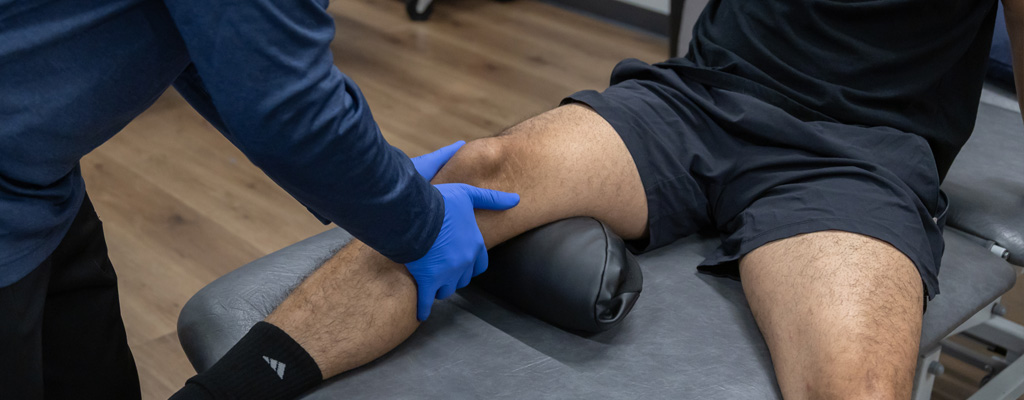


Think physical therapy is just for aching knees, sports injuries, or post-surgery recovery? Think again. October is National Physical Therapy Month, and all month long the Teton Therapy team is celebrating the many ways physical therapists help people move, feel, and function better — including some benefits that might surprise you.
Six Surprising Reasons to See a Physical Therapist
1. Dizziness and Vertigo
Dizziness and vertigo can both have dramatic impacts on daily life, but many people don’t realize that physical therapy can actually play a role in helping to manage them.
Vertigo is the sensation that you or your surroundings are moving or spinning when no actual movement is occurring and often indicates an issue with your vestibular system, the part of your inner ear and brain responsible for balance. Because the underlying cause of that dysfunction is often physical in nature, PT offers several treatment techniques that can help, including:
- Repositioning maneuvers that use specific head and body movements to address certain types of positional vertigo.
- Balance and walking exercises to improve steadiness.
- Gaze-stabilization exercises that train your eyes and head to work together more effectively.
2. TMJ Dysfunction
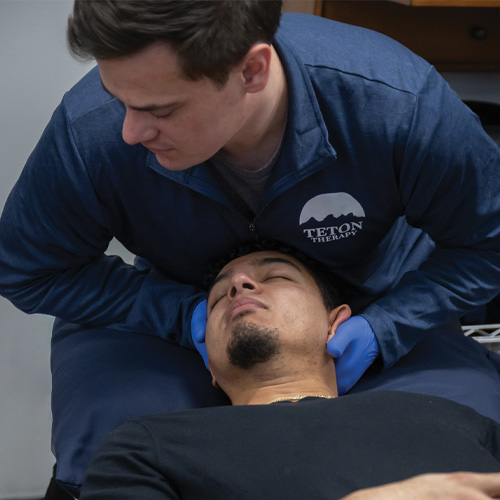
If you’re experiencing jaw pain, your first instinct is probably to go to the dentist. But if that pain is related to your temporomandibular joint (TMJ) or the muscles involved in jaw movement, physical therapy might be able to help, too.
TMJ dysfunction affects the joints that connect your jaw to your skull, as well as the muscles and other structures involved in jaw movement. Many of the techniques we use to address other types of joint pain also work with TMJ-related problems, including manual therapy and targeted exercises.
3. Headaches
Headaches are among the most common medical complaints in the world, and they can have a wide range of underlying causes. One of the more prevalent of those causes is associated with problems involving muscles, joints, or movement of your neck. And when that’s the case, physical therapy can help.
We’ll first assess your neck mobility, strength, and movement to identify factors that may be contributing to symptoms. From there, we’ll create a targeted treatment plan blending strength and mobility exercises, hands-on techniques, and personalized management strategies.
4. Balance and Gait Disorders
Walking is an incredibly complex task that involves your muscles, joints, vision, inner ear, and nervous system. Changes in any part of that process can affect your walking patterns, potentially making it tough to get around.
We can help identify the factors contributing to your gait or balance problems and create a care plan that focuses on:
- Strengthening the muscles needed for standing and walking.
- Practicing changes in direction, stepping, and other balance tasks.
- Gait training to improve the mechanics and confidence of walking.
5. Neurological Conditions
Physical therapy isn’t limited to muscles and joints. It can also play an important role when a condition affects your nervous system. This includes conditions like stroke or Parkinson’s disease.
Our team uses repetitive, task-specific practice to work on movements that are meaningful to daily life. That could include standing up from a chair, walking around your house, or improving overall coordination. Every plan is tailored to your specific needs as well.
6. Chronic Pain
Most people know that physical therapy can help with pain after an injury or surgery. But it can also help if your pain persists, even if medical imaging does not reveal a clear explanation for your symptoms.
Chronic pain is incredibly complex, which means it can be frustrating to manage. It can involve increased sensitivity in the nervous system, but it can also affect your movement patterns, further influencing how pain is experienced. Our physical therapists will meet you where you’re at and help you gradually build strength, mobility, and endurance, confidence with movement, helping you improve function and better manage symptoms over time.
See What Physical Therapy Can Do for You
National Physical Therapy Month is a reminder that PT can help with much more than the injuries people typically associate with rehabilitation.
At Teton Therapy, our physical therapists look at how your symptoms affect your movement, independence, and daily life. From dizziness to jaw discomfort, we’ll work with you to develop an individualized plan focused on measurable progress.
Ready to find out whether physical therapy could help you feel and function better? Schedule an initial appointment today to start working toward your comeback!
Cheyenne, 307-441-3548
Lander, 307-387-6230
Riverton, 307-248-7442

Your Success Is Our Priority!
Ready to keep moving forward? Return to Teton Therapy and schedule your appointment now!
Stronger.
More Confident.
Truly Supported.
My experience at Teton Physical Therapy has been exceptional. The therapists and all the staff are very caring and have helped me so much. I am stronger and I have so much more confidence. I highly recommend this therapy practice!
G.M.
Teton Physical Therapy Patient
Share Your Success Story Today!
Had a great experience at Teton Physical Therapy? Share your story and help others discover the difference personalized physical therapy can make.
Exercise Tip of the Month
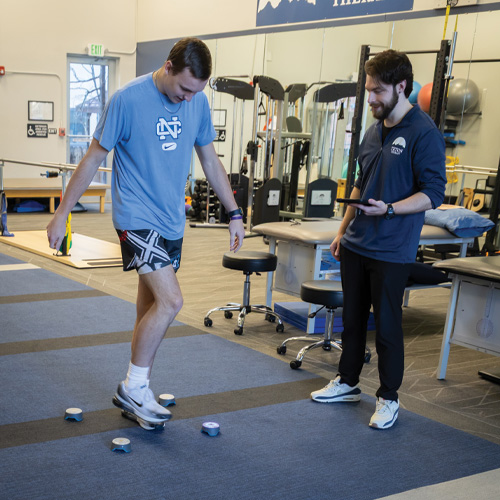
ONE LEG BALANCE
Exercise Tracker
Complete 2 sets, 1 rep on each side. Hold each balance for 20–30 seconds.
What to Expect at Your First Physical Therapy Appointment
Starting physical therapy can feel a little uncertain if you’ve never been before. Knowing what to expect can help you feel more comfortable and make the most of your first visit.
Your first appointment will typically begin with an evaluation. Your physical therapist will ask about your symptoms, medical history, daily activities, and what you hope to accomplish through therapy. Be prepared to describe what makes your symptoms better or worse and how they are affecting your everyday life.
Your therapist will also assess your movement, which may include checking your strength, flexibility, balance, range of motion, walking pattern, or other movements related to your condition. This information helps your therapist understand the problem and develop a personalized treatment plan.
Completing any paperwork ahead of time, when possible, can help make the most of your first appointment. This allows more time to focus on getting to know you, discussing your concerns, and answering any questions you may have.
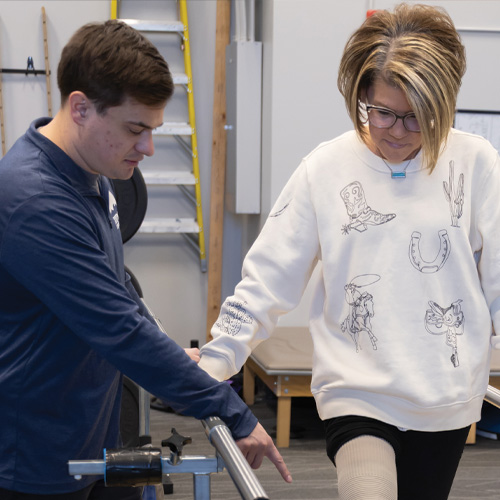
Wear comfortable clothing that allows you to move easily and gives your therapist access to the area being treated. It’s also helpful to bring your insurance card, a list of medications, and any relevant imaging or medical records.
Most importantly, don’t be afraid to ask questions! Your first visit is the beginning of a partnership with your therapist, and understanding your treatment plan can help you feel confident throughout your recovery.
Follow Us on Social Media!
Go to the Pain, Not Through the Pain
Is pain affecting your life? Does it seem like everything you try doesn't seem to help?
Too often, the frustration of dealing with daily pain leads people to ignore or try to push through their pain. It doesn't help that the terrible slogan "no pain, no gain" has become a part of our culture in America. Learning how to navigate pain is essential to finding the relief so many people seek.
Whether you're tired of sporadic aches and pain or struggling with chronic discomfort, physical therapy at Teton Therapy plays a vital role not just in treating pain but also in teaching patients how to manage their pain effectively.
Simple Tips to Find Relief
Our team will start by explaining the type of pain the patient is experiencing—be it nociceptive, central, neuropathic, psychosocial, or movement system pain. This helps you understand the root cause of your pain, allowing for targeted treatments addressing your unique situation.
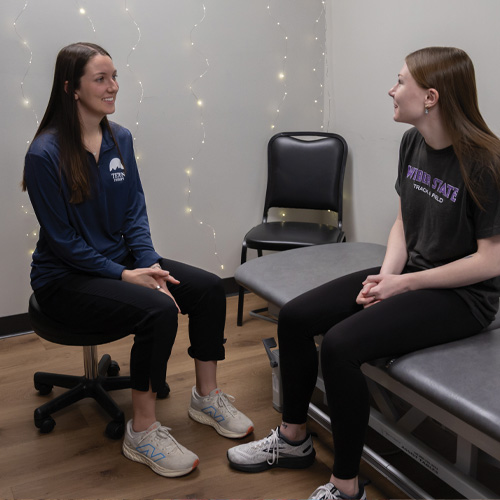
Here's an overview of common tools we use to empower our patients:
Pain Management Strategies:
Activity Modification:
Gradual Progression of Exercise:
Our physical therapists will give you the tools and knowledge you need to take an active role in your pain management, making your treatment more effective and lasting. Remember the slogan, “go to the pain, not through the pain,” to guide your progress!
Call, text or click to schedule your free consultation today!
In Cheyenne, 307-441-3548
In Lander, 307-387-6230
In Riverton, 307-248-7442

Trick-or-Treating with the Grandkids? Warm Up First!
You’re not as limber as you used to be—but the grandkids need their favorite spooky chaperone this Halloween!
What’s a grandparent to do? One tip to remember is that trick-or-treating is good old-fashioned exercise, so you shouldn’t go into it cold.
While the kids are putting on their costumes, take 5–10 minutes to perform some gentle dynamic stretches before you hit the streets.
Don't Go Into Halloween Cold!
A few minutes of gentle movement before heading out can help prepare your body for all that walking, bending, and keeping up with the grandkids.
Take 5–10 Minutes to Warm Up
While the kids get dressed, use those few minutes to gently loosen up and prepare your muscles before heading out for trick-or-treating.
Need Help Warming Up Safely?
Not sure what to do? Want to make sure you don’t accidentally hurt yourself? Our physical therapists can give you personalized guidelines and suggestions. Call us today to schedule an appointment!

Bright, refreshing, and packed with vibrant produce, this Miracle Red Juice is a delicious way to enjoy beets, carrots, apples, celery, citrus, and ginger in every sip. Blend up this colorful juice for a fresh, flavorful boost that’s perfect for starting your day or enjoying as an afternoon pick-me-up.
Teton Therapy's Monthly Healthy Recipe
Miracle Red Juice
- 2 large beets
- 4 long carrots
- 2 apples
- 6 celery stalks
- 2 limes or lemons
- 2 inches of ginger
Strengthens:
- Immunity
- Eyes
- Liver
- Spleen
- Kidneys
- Pancreas
- Digestive Tract
Directions:
Prepare beets, carrots, apples, celery, limes (or lemons) and ginger by chopping into smaller pieces before placing into a juicer. As the skin of a beet is packed with antioxidants and nutrients, it is recommended to leave the skin on the beet. Beet skin and lemon peel (if using) have strong flavors, so you could also prepare half with skin and half peeled to adjust to the flavor, or simply peel all if preferred. Apples can be any color or variety. Do not peel the ginger, which you will add to taste as ginger can be spicy. After all ingredients are added to the juicer, blend until juiced and smooth. Drink juice as soon as possible to obtain all benefits of the antioxidants and nutrients. Miracle Red Juice can be absorbed more easily on an empty stomach. Drink one glass every other day or as needed.