Written By: Olivia Wasinger, PTA, Teton Therapy Cheyenne
The Top 10 Sports Injuries and How to Prevent Them
Many common injuries are preventable with the right foundation of conditioning, strengthening, proper warm-up, nutrition, hydration, stretching, and recovery.
Conditioning is the foundation of injury prevention. A body that is strong, balanced, and prepared for physical stress is far less likely to break down.
Here’s a breakdown of the top 10 sports injuries and how to prevent them.
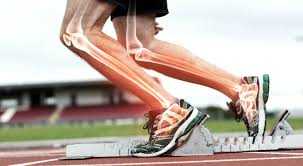
1. Ankle Sprains
What it is: Stretching or tearing of ankle ligaments, usually from rolling or twisting the foot.
Prevention:
- Strengthen ankles and lower legs with resisted range of motion and balance exercises.
- Incorporate single leg stability work.
- Warm up properly before activity.
2. ACL Tears
What it is: Tear of the anterior cruciate ligament, often seen in cutting/pivoting sports.
Prevention:
- Strengthen glutes, hamstrings, and quadriceps.
- Practice proper jumping and landing mechanics.
- Include neuromuscular training in your conditioning.
3. Patellofemoral Pain (Runner’s Knee)
What it is: Pain around or under the kneecap due to overuse or tracking issues.
Prevention:
- Strengthen hips and quads.
- Improve lower body alignment.
- Avoid sudden spikes in training load.
4. Shin Splints (Medial Tibial Stress Syndrome)
What it is: Pain along the shinbone from repetitive stress.
Prevention:
- Slowly build mileage or load.
- Strengthen calves and intrinsic foot muscles.
- Use cross training to decrease repetitive strain.
5. Hamstring Strains
What it is: Overstretching or tearing of the hamstring muscle group.
Prevention:
- Perform eccentric strengthening (for example: Nordic hamstring curls).
- Ensure proper warm-ups for sprinting and high speed efforts.
6. Shoulder Impingement & Rotator Cuff Injuries
What it is: Irritation or tearing of shoulder tendons common in overhead sports.
Prevention:
- Strengthen rotator cuff and scapular muscles.
- Improve thoracic and shoulder mobility.
- Progress overhead volume gradually.
7. Epicondylitis (Tennis or Golfer’s Elbow)
What it is: Irritation of forearm tendons from repetitive activity.
Prevention:
- Strengthen wrist extensors/flexors.
- Gradually increase training volume.
- Address mechanics and technique.
Research on persistent tendinopathy suggests that injury risk and recovery aren’t just physical, but psychological factors matter too. A recent systematic review showed meaningful differences in psychological profiles between people with chronic tendinopathy and those without, underscoring the importance of holistic care in prevention and rehabilitation.¹
Differences in Psychological Factors Between People With Persistent Tendinopathy and Those Without Tendinopathy: A Systematic Review With Meta-Analysis (JOSPT, 2025)
8. Concussions
What it is: Brain injury from head impact or forceful shaking.
Prevention:
- Use appropriate protection.
- Learn safe contact techniques.
- Report symptoms immediately.
9. Groin Strains
What it is: Tearing of inner thigh muscles from quick direction changes.
Prevention:
- Strengthen hip adductors and abductors.
- Include lateral movement drills in conditioning.
- Warm up thoroughly.
10. Achilles Tendinopathy
What it is: Irritation of the Achilles tendon from overuse.
Prevention:
- Eccentrically strengthen calves.
- Gradually increase plyometrics.
- Monitor training volume.
Tendon loading strategies have evolved: early progressive loading, education, and consideration of training patterns are essential components of prevention and care.² ³
Load-management and tendon care research from JOSPT (2015, 2021)
Proper Warm-Up: Your First Line of Defense
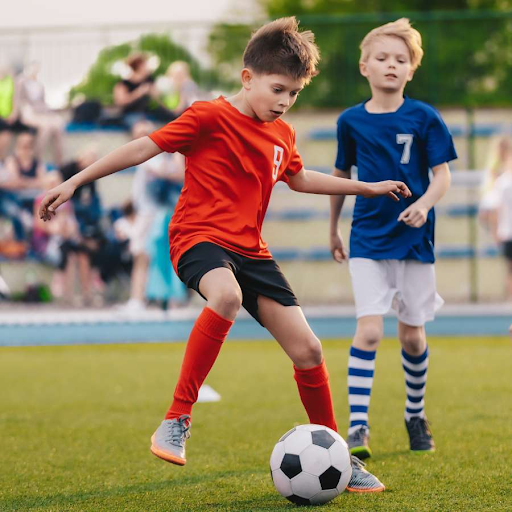
Spend 10–15 minutes before training on light cardio and dynamic stretching. Warming up increases blood flow, neuromuscular readiness, and range of motion. Proper warm-up is critical for injury prevention.
Dynamic Warm-Up Examples
- High knees
- Butt kicks
- Walking knee hugs
- Walking quad stretch
- Lunges
Static Stretching After Activity
Finish workouts with static flexibility to help restore muscle length and decrease stiffness.
Static Stretch Examples
- Hamstring stretch
- Quad stretch
- Hip adduction stretch
- Calf stretch
Hold each stretch for 20–30 seconds.
Strengthening & Conditioning
Conditioning is the foundation of injury prevention.
A strong, balanced body withstands sport demands better. Strengthening includes:
- Hip and glute strengthening
- Core stability training
- Balance and proprioception drills
- Sport-specific strength work
Nutrition & Hydration Matter
Muscles and tendons need fuel:
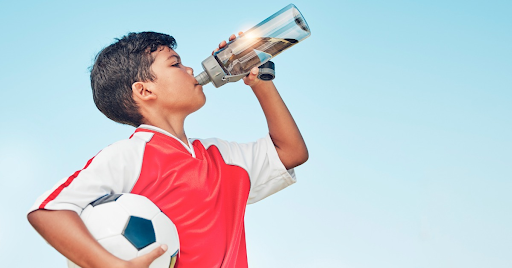
- Hydrate before, during, and after training.
- Prioritize protein for repair.
- Carbohydrates support performance.
- Healthy fats and micronutrients assist recovery.
Poor nutrition and dehydration increase fatigue and injury risk.
Recovery: Just as Important as Training
Training hard without recovery invites injury.
- Aim for 8–9 hours of sleep nightly.
- Take at least 1 rest day per week.
- Listen to your body (fatigue and soreness are warnings).
When to See a Professional
Seek evaluation if you experience:
- Pain lasting more than a few days
- Swelling or instability
- Painful clicking or locking joints
- Reduced strength or range of motion
- Any concussion symptoms
Early care prevents minor problems from becoming chronic issues.
Final Thoughts
Most sports injuries aren’t random, they are the result of insufficient preparation, overuse, or poor recovery.
Prevent injuries by prioritizing:
- Proper warm-ups (10–15 minutes with dynamic movement)
- Strengthening and conditioning
- Nutrition and hydration
- Static stretching
- Adequate recovery
References
- Differences in Psychological Factors Between People With Persistent Tendinopathy and Those Without Tendinopathy: A Systematic Review With Meta-Analysis — J Orthop Sports Phys Ther. 2025.
- Load management and tendon adaptation insights — J Orthop Sports Phys Ther. 2015.
- Tendon pain and rehabilitation evidence — J Orthop Sports Phys Ther. 2021.
Youth Athlete Injuries: Prevention and Management
Youth sports are an incredible way for young athletes to build confidence, strength, and lifelong healthy habits. However, with increased participation and competitive demands, injuries among young athletes are becoming more common. Many of these injuries are preventable with the right preparation, recovery, and care.
Conditioning Comes First
One of the most effective ways to reduce injury risk is proper conditioning. Young athletes benefit from beginning structured training at least 4-6 weeks before their season starts, allowing their bodies time to gradually adjust to increased physical demands. This progressive approach helps build strength, endurance, and coordination while reducing the risk of overuse injuries that occur when athletes do too much, too fast.
The Importance of a Proper Warm-Up
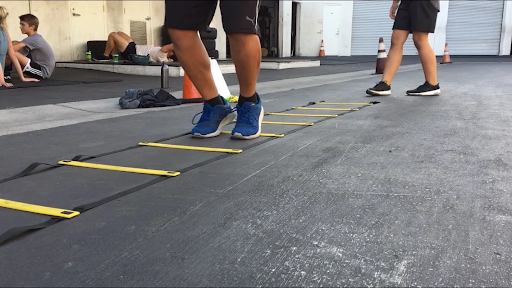
A good warm-up prepares the muscles, joints, and nervous system for activity and should never be skipped. Aim for 10–15 minutes of light cardiovascular activity combined with dynamic stretching. Examples include:
- High knees
- Butt kicks
- Walking knee hugs
- Walking quad stretch
- Lunges
These movements increase blood flow, improve mobility, and help athletes move more efficiently once their practice or competition begins.
Modern Injury Management: PEACE & LOVE
For acute injuries, the traditional RICE method (Rest, Ice, Compression, Elevation) is now considered outdated. Instead, PEACE & LOVE are recommended and a more evidence-based approach that supports healing.
PEACE (immediate care):
- Protect – Limit movement for the first few days to prevent further injury
- Elevate – Raise the injured area above heart level when possible
- Avoid anti-inflammatory modalities – Inflammation is part of the healing process
- Compress – Use elastic bandages or wraps as appropriate
- Educate – Understand the injury and avoid unnecessary treatments
LOVE (after the initial phase):
- Load – Gradually reintroduce movement and stress
- Optimism – A positive mindset supports recovery
- Vascularization – Pain-free aerobic activity promotes blood flow
- Exercise – Restore strength, mobility, and function
This approach encourages active recovery rather than prolonged rest.
Recovery Is Non-Negotiable
Training hard is important, but recovery is just as critical. Young athletes should aim for 8–9 hours of sleep each night, as sleep is when the body repairs tissue and restores energy. Additionally, rest days matter. At least one full rest day per week helps prevent burnout and overuse injuries while supporting long-term performance.
Fueling the Body
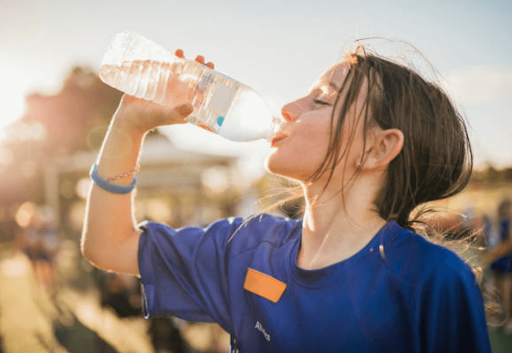
Proper nutrition and hydration play a major role in injury prevention and recovery. Young athletes need balanced meals with adequate protein, carbohydrates, healthy fats, vitamins, and minerals to support growth and activity levels. Staying well-hydrated before, during, and after activity helps maintain performance and reduces the risk of muscle cramps and fatigue-related injuries.
When to See a Professional
Pain is not something young athletes should “push through.” If an athlete experiences pain that lasts longer than a few days, worsens with activity, or limits normal movement, it’s time to seek professional care. Early evaluation by a Physical Therapist can prevent minor issues from turning into long-term problems and help athletes return to sport safely.
The therapists at Teton Therapy are experts in sports injury and can help you get back in the game. Call, text or click to schedule your free balance consultation today!
In Cheyenne, 307-514-9999, or find us on the web at TetonTherapypc.com
References:
- The Importance of Hydration for Young Athletes: Staying Hydrated During Summer Activities (https://prokinetixrehab.com/post/the-importance-of-hydration-for-young-athletes-staying-hydrated-during-summer-activities/)
- Overuse Injury Prevention in Youth Sports (https://health.ucdavis.edu/sports-medicine/resources/youth-injury-prevention)
- Raising Young Athletes: Training and Injury Strategies (https://jposna.org/index.php/jposna/article/view/462/655)
- Keep Young Athletes Safe: Your Guide to Preventing Sports Injuries (https://ppsapta.org/blog/marketing/keep-young-athletes-safe-your-guide-preventing-sports-injuries)