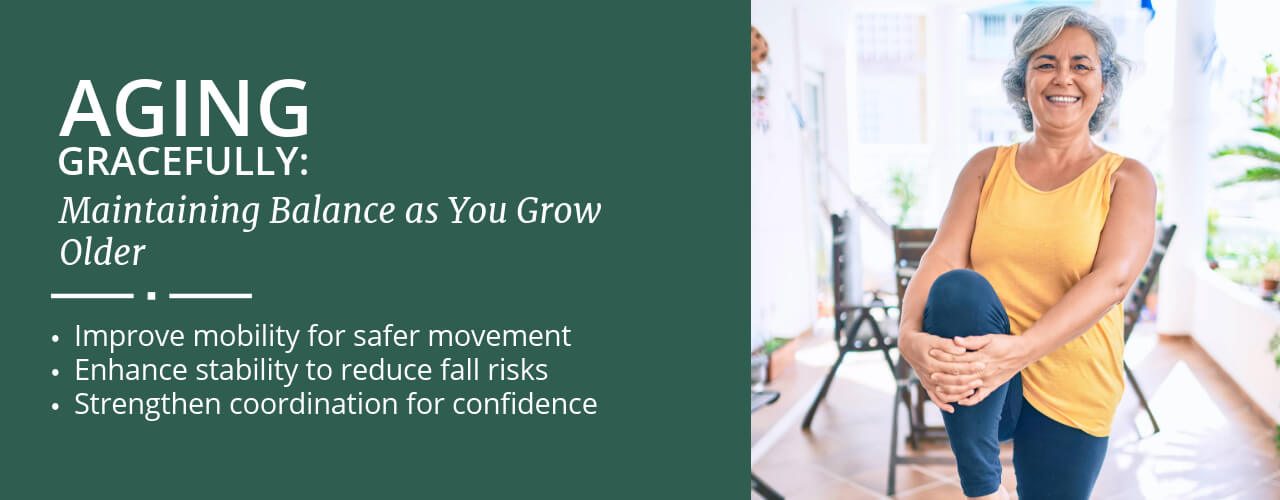
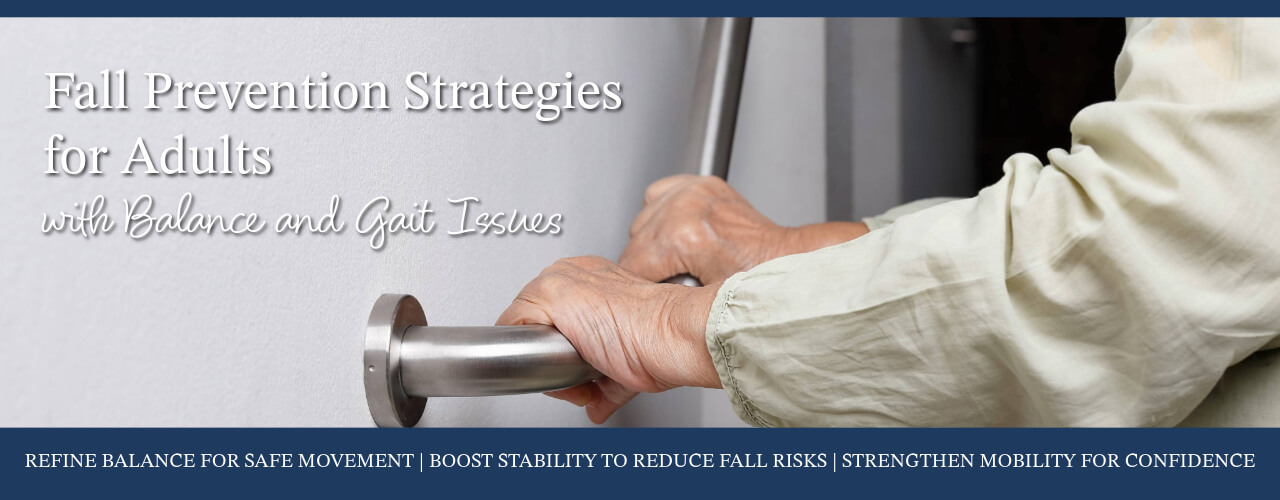
Falls are one of the leading causes of injury among older adults and individuals with mobility challenges. When balance or gait becomes impaired due to age, illness, or injury, everyday tasks can become risky. The good news is that many falls are preventable. By applying proven fall prevention strategies, adults can improve stability, boost confidence, and stay safe at home and in the community.
At Teton Therapy, our physical therapists work closely with individuals to reduce fall risk and improve movement through personalized programs. Below is a practical checklist of strategies that can support better balance, safer walking, and greater independence.
Why Fall Prevention Matters
A single fall can lead to broken bones, hospital stays, or a long recovery, especially in adults over 65. Many falls happen due to preventable causes, such as muscle weakness, poor footwear, medication side effects, or unsafe home environments. Physical therapy plays a critical role in addressing these risks through strength training, movement retraining, and environmental education.
Checklist: 10 Fall Prevention Strategies You Can Start Today
1. Have Your Balance and Gait Assessed
Start with a professional evaluation. A physical therapist can assess how you walk, stand, and shift weight and identify weaknesses or patterns that increase your risk of falling.
Action Step: Schedule a balance screening at Teton Therapy to learn your risk level and get tailored recommendations.
2. Strengthen Your Legs and Core
Weak leg and abdominal muscles contribute to poor posture and instability. Building strength improves your ability to recover from a stumble and reduces the chance of falling.
Action Step: With guidance from your therapist, add simple exercises to your daily routine.
3. Use Supportive Footwear
Improper shoes, like flip-flops or heels, can interfere with balance and increase slip risk. Choose firm, non-slip shoes with good support.
Action Step: Check the soles of your shoes for wear and replace them if they no longer provide traction or cushioning.
4. Clear Hazards in Your Home
Clutter, loose rugs, and poor lighting are major contributors to falls at home.
Action Step: Remove tripping hazards, install nightlights in hallways, and secure cords or rugs that may slide underfoot.
5. Install Grab Bars and Railings
Bathrooms and stairwells are common fall zones. Grab bars and handrails provide stability during transitions.
Action Step: Add grab bars near toilets and showers, and ensure all staircases have sturdy railings on both sides.
6. Improve Vision and Hearing
Poor vision or hearing makes it harder to detect obstacles or changes in your environment.
Action Step: Schedule regular eye and hearing exams, and make sure glasses or hearing aids are functioning properly.
7. Monitor Medications
Some medications cause dizziness, fatigue, or low blood pressure—all of which increase fall risk.
Action Step: Review your medication list with your healthcare provider and report any symptoms like lightheadedness or instability.
8. Practice Balance Exercises Daily
Balance can be trained just like strength. Exercises like standing on one foot, heel-to-toe walking, or shifting weight from side to side improve coordination.
Action Step: Work with your physical therapist to learn safe balance exercises that match your ability level.
9. Use Assistive Devices if Needed
A cane, walker, or rollator can improve stability—but only if it fits you properly and is used correctly.
Action Step: Ask your therapist to evaluate whether an assistive device is right for you and train you on safe use.
10. Stay Active and Engaged
Sedentary behavior leads to muscle loss and slower reaction times. Staying active not only reduces fall risk but also supports mental and emotional health.
Action Step: Aim for daily light activity such as walking, gentle stretching, or group exercise classes approved by your therapist.
Building Confidence Through Fall Prevention Strategies
Implementing fall prevention strategies not only reduces the risk of injury but also builds the confidence to move freely and safely. Many adults limit their activity out of fear of falling, which often leads to further deconditioning and even higher risk. A proactive approach, especially with guidance from a physical therapist, helps break that cycle and encourages lifelong mobility.
At Teton Therapy, we help patients improve balance, strength, and confidence through structured, research-informed care plans. Whether you’re recovering from a recent fall or looking to prevent one, our team is ready to help you take safer steps forward.
Stay Steady and Strong: We’re Here to Help
Falls can be frightening, but they don’t have to be a part of aging or recovery. Physical therapy offers the tools and support needed to help you stay upright, active, and independent.
Contact Teton Therapy today to schedule a balance and mobility assessment. Our team will help you take control of your movement and build a safer, more stable future with proven fall prevention strategies.