
Written By: Olivia Wasinger, PTA, Teton Therapy Cheyenne
Youth sports are an incredible way for young athletes to build confidence, strength, and lifelong healthy habits. However, with increased participation and competitive demands, injuries among young athletes are becoming more common. Many of these injuries are preventable with the right preparation, recovery, and care.
Conditioning Comes First
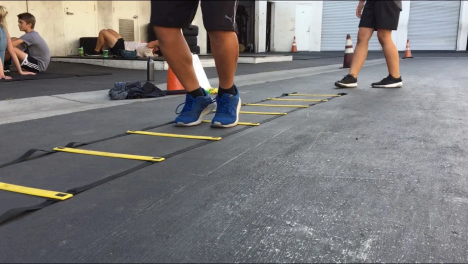
One of the most effective ways to reduce injury risk is proper conditioning. Young athletes benefit from beginning structured training at least 4-6 weeks before their season starts, allowing their bodies time to gradually adjust to increased physical demands. This progressive approach helps build strength, endurance, and coordination while reducing the risk of overuse injuries that occur when athletes do too much, too fast.
(https://www.sportsperformancept.com/using-ladder-drills-to-build-more-than-speed-and-agility/)
The Importance of a Proper Warm-Up
A good warm-up prepares the muscles, joints, and nervous system for activity and should never be skipped. Aim for 10–15 minutes of light cardiovascular activity combined with dynamic stretching. Examples include:
- High knees
- Butt kicks
- Walking knee hugs
- Walking quad stretch
- Lunges
These movements increase blood flow, improve mobility, and help athletes move more efficiently once their practice or competition begins.
Modern Injury Management: PEACE & LOVE
For acute injuries, the traditional RICE method (Rest, Ice, Compression, Elevation) is now considered outdated. Instead, PEACE & LOVE are recommended and a more evidence-based approach that supports healing.
PEACE (immediate care):
- Protect – Limit movement for the first few days to prevent further injury
- Elevate – Raise the injured area above heart level when possible
- Avoid anti-inflammatory modalities – Inflammation is part of the healing process
- Compress – Use elastic bandages or wraps as appropriate
- Educate – Understand the injury and avoid unnecessary treatments
LOVE (after the initial phase):
- Load – Gradually reintroduce movement and stress
- Optimism – A positive mindset supports recovery
- Vascularization – Pain-free aerobic activity promotes blood flow
- Exercise – Restore strength, mobility, and function
This approach encourages active recovery rather than prolonged rest.
Recovery Is Non-Negotiable
Training hard is important, but recovery is just as critical. Young athletes should aim for 8–9 hours of sleep each night, as sleep is when the body repairs tissue and restores energy. Additionally, rest days matter. At least one full rest day per week helps prevent burnout and overuse injuries while supporting long-term performance.
Fueling the Body
Proper nutrition and hydration play a major role in injury prevention and recovery. Young athletes need balanced meals with adequate protein, carbohydrates, healthy fats, vitamins, and minerals to support growth and activity levels. Staying well-hydrated before, during, and after activity helps maintain performance and reduces the risk of muscle cramps and fatigue-related injuries.

When to See a Professional
Pain is not something young athletes should “push through.” If an athlete experiences pain that lasts longer than a few days, worsens with activity, or limits normal movement, it’s time to seek professional care. Early evaluation by a Physical Therapist can prevent minor issues from turning into long-term problems and help athletes return to sport safely.
The therapists at Teton Therapy are experts in helping athletes maintain peak performance, prevent injuries, and recover quickly so they can stay strong, resilient, and at the top of their game.
Call, text or click to schedule your free balance consultation today!
In Cheyenne, 307-514-9999
TetonTherapypc.com
References:
- The Importance of Hydration for Young Athletes: Staying Hydrated During Summer Activities
(https://prokinetixrehab.com/post/the-importance-of-hydration-for-young-athletes-staying hydrated-during-summer-activities/) - Overuse Injury Prevention in Youth Sports
(https://health.ucdavis.edu/sports-medicine/resources/youth-injury-prevention) - Raising Young Athletes: Training and Injury Strategies
(https://jposna.org/index.php/jposna/article/view/462/655) - Keep Young Athletes Safe: Your Guide to Preventing Sports Injuries
(https://ppsapta.org/blog/marketing/keep-young-athletes-safe-your-guide-preventing-spo rts-injuries)