

For Elizabeth, a vibrant 72-year-old retired teacher, life had always been about embracing every moment. She relished spending her days tending to her garden, meeting friends for tea, and sharing stories with her grandchildren. Yet, over time, something began to change, something she couldn’t quite grasp.
It started subtly. Elizabeth noticed that her once-steady gait had become somewhat unsteady. Her confident stride had given way to tentative steps. Each morning, as she rose from her bed, she couldn’t ignore the peculiar feeling of imbalance that now seemed to accompany her every move.
With a touch of anxiety creeping in, Elizabeth began to modify her daily routine. She avoided taking long walks, opting for shorter strolls instead. The thought of climbing stairs made her apprehensive, and she held onto handrails with an iron grip.
One sunny afternoon, over tea with a close friend, Elizabeth finally confided her concerns. Her friend gently suggested that Elizabeth consider seeking physical therapy to help address her balance and gait issues.
Hesitant but determined, Elizabeth decided to take the leap. She scheduled an appointment at Teton Therapy to assess her condition and hopefully find a way to regain her confidence and mobility.
The First Step: A Comprehensive Evaluation
Elizabeth met with one of our skilled physical therapists, who has extensive experience helping individuals like her. To begin, her therapist conducted a thorough evaluation, including questions about her medications, vision, and any other health concerns that could impact her stability.
Next, she performed a physical exam that included the following tests:
- Range of motion: The physical therapist assessed her range of motion in the joints of the lower extremities.
- Muscle strength: The therapist also tested her muscle strength in the lower extremities and core.
- Observation: Her physical therapist observed Elizabeth’s walking pattern and looked for abnormalities.
- Footwear: Finally, her footwear was evaluated to ensure it was appropriate for her daily routine and recreational activities.
As they reviewed the assessment results, her therapist explained that Elizabeth’s gait had patterns that were likely contributing to her feelings of instability and fear of falling. Fortunately, she also reassured her that they could work together to address these issues and help her regain her confidence.
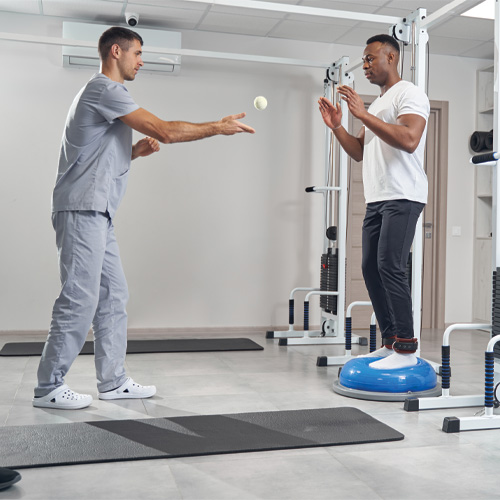
Next Up: A Fall Risk Assessment
Her therapist also performed a fall risk assessment to get a complete picture. She asked Elizabeth more questions about her daily life, including specific questions about her home environment.
They discussed several measures to reduce obstacles at home that increase fall risks. Here are some common recommendations:
- Remove boxes, newspapers, electrical cords, and any other trip hazards from walkways.
- Move coffee tables, magazine racks, and plant stands from high-traffic areas.
- Secure loose rugs with a slip-resistant backing — or remove loose rugs from the home.
- Place non-skid mats, strips, or carpets on all surfaces that may get wet.
Her therapist then guided Elizabeth through a series of balance tests to identify specific areas of weakness or instability. These tests helped pinpoint the root causes of Elizabeth’s balance issues.
The Path to Recovery: Personalized Treatment Plan
With a comprehensive understanding of Elizabeth’s condition, her physical therapists designed a treatment plan tailored to her needs. The plan included a combination of mobility work, strengthening exercises, balance and coordination training, and gait activities.
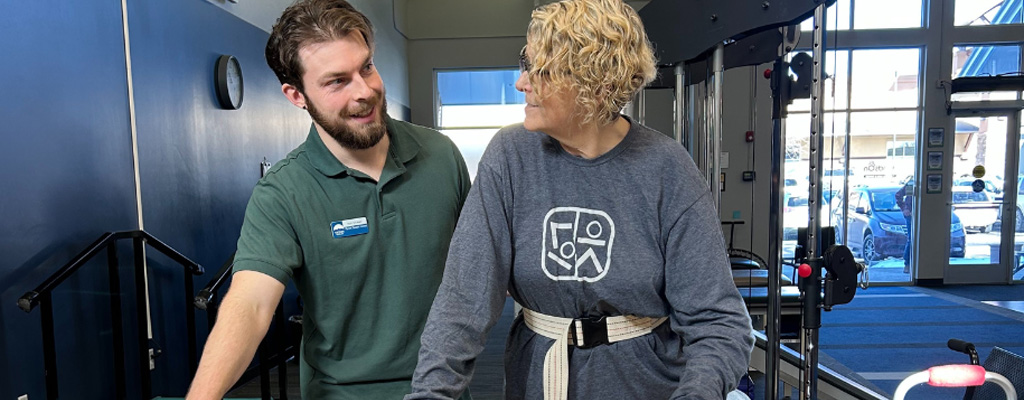
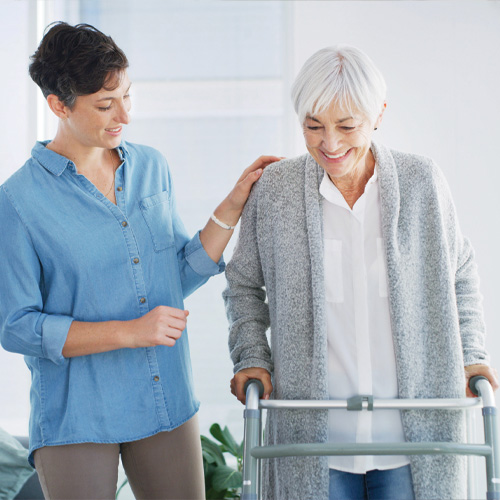
As the weeks passed, Elizabeth noticed a remarkable transformation. Her unsteady steps began to regain their steadiness. She grew more confident with each session, and the fear of falling slowly ebbed away. She practiced walking on different surfaces and navigating obstacles under her therapist’s watchful eye, gradually rebuilding her trust in her abilities.
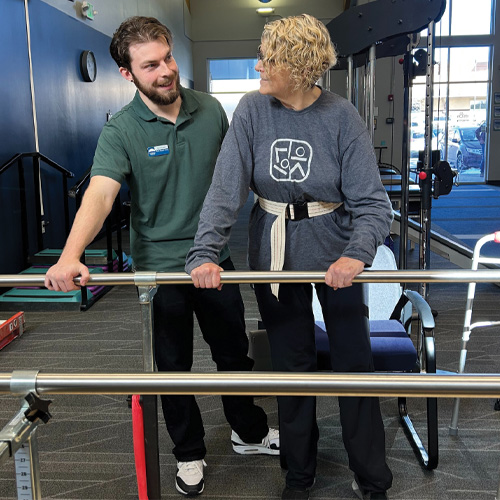
Regaining Confidence: Progress and Results
Elizabeth’s story is a powerful reminder that balance and gait issues can affect anyone, even without a specific injury or medical condition. Seeking the expertise of one of our skilled physical therapists can make all the difference in regaining confidence, improving mobility, and embracing life to the fullest.
If you or a loved one is struggling with balance and gait issues, don’t let the fear of falling hold you back. Reach out to Teton Therapy today, and take the first step towards a safer, more stable future!
Your Success Is Our Priority!
Ready to keep moving forward? Return to Teton Therapy and schedule your appointment now!
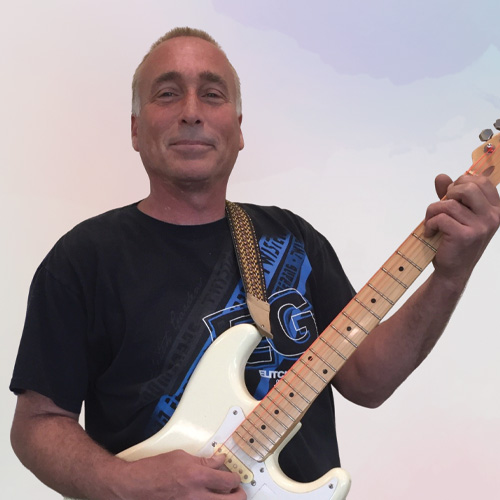
Patient Testimonial
“For the first time since my injury, I can easily open jars and play my guitar again! In the past, all of these tasks have been a struggle due to the sharp pain in my fingers.”
-H.L.
SHARE YOUR SUCCESS STORY TODAY!
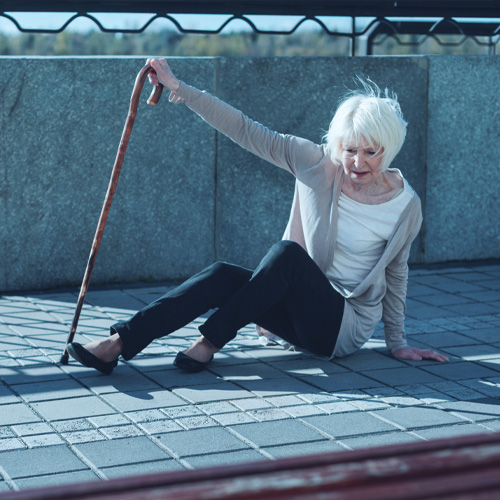
Understanding Fall Risks
As we go through life, staying safe is a top priority, especially as we get older. It’s crucial to recognize the signs of potential fall risks so we can take steps to protect ourselves.
Here are the five most common signs that someone may be at risk of falling:
- Previous Falls: One of the most telling signs is a history of falls. If someone has fallen before, it’s a clear signal that they might fall again. But falls can happen unexpectedly to anyone, so we must stay aware.
- Balance Matters: Another common indicator is trouble with balance. Feeling unsteady or wobbly while walking or standing still can signal an increased risk of falling.
- Walking Aids: Using walking aids, like canes or walkers, is another sign to watch for. While these tools help many people, relying on them can indicate a higher risk of falling, especially if they’re used all the time.
- Medication Complexity: Taking multiple medications, especially those with side effects like dizziness or balance problems, can increase the chances of falling.
- Home Hazards: Living in a cluttered environment, having poor lighting, or encountering obstacles on the floor can significantly increase the likelihood of tripping or falling.
Recognizing these signs is the first step toward preventing falls. Seeking the guidance of one of our skilled physical therapists can provide invaluable support. We are experts in evaluating these risk factors and creating personalized plans to improve strength, balance, and overall safety.
So, if you or a loved one notices any of these signs, don’t hesitate to call Teton Therapy today!
Exercise of the Month
ONE LEG BALANCE
Single-leg balance is essential for improving stability and walking (gait), as we briefly stand on one leg with every step. Strengthening this position can help reduce fall risk and improve confidence with movement.
Stand with your hands on the back of a chair, countertop, or wall for support. Slowly lift one foot, so your weight is on the opposite leg. Keep your posture tall and steady. Hold for 20–30 seconds and gradually increase time as your balance improves.
2 Sets, 1 Rep (each side)
Materials needed: Chair
Direct Access
Did You Know You Have Direct Access To Physical Therapy?
Whether you want to come in for a check-up, suffered a recent injury, or want to improve your health, a physician referral is not needed. In the state of Wyoming you have direct access to physical therapy!
You have the power to choose. Just as you can fill a prescription for medication at a pharmacy of your choice, you can choose where to receive physical therapy as well.
Taking care of yourself means taking charge of your healthcare, so remember that regardless of which physician you see, you have a choice when it comes to physical therapy.
Minor aches and pains are warning signals from your body to let you know something is not working properly. Don’t put off the pain until it’s too late. Come in today for a “Tune-Up.”
Follow Us on Social Media!


This Crock Pot Irish Stew is a hearty, comforting classic that’s perfect for celebrating St. Patrick’s Day. Slow-cooked and full of rich flavor, it’s an easy, cozy meal to enjoy with family and friends. 🍀
Teton Therapy’s Monthly Healthy Recipe
Best St. Patrick’s Day Crock Pot Irish Stew
- 2 lbs beef chuck roast, cubed
- 2 large potatoes, peeled and diced
- 2 cups diced carrots
- 1 envelope onion soup mix
- 2 (10¾ oz) cans tomato soup
- 1 soup can water
- 16 oz frozen peas
- salt and pepper, to taste
- parsley, for garnish
- Combine beef, potatoes, carrots, soup mix, tomato soup, can of water, salt and pepper in Crock Pot.
- Cook on LOW 8 hours.
- Add frozen peas and ¼ cup water.
- Cook on LOW 1 additional hour.
- Garnish with parsley.

Staff Spotlight
Riley Stewart, PTA
Riley Stewart graduated from Laramie County Community College in December 2023 and has completed advanced training in cervical spine management. Inspired by his grandmother’s recovery after a prolonged hospitalization, Riley is passionate about helping patients regain function and independence. He also has a background in personal training and enjoys helping people get stronger and return to what they love. Fun fact: Riley once swam with a bear.