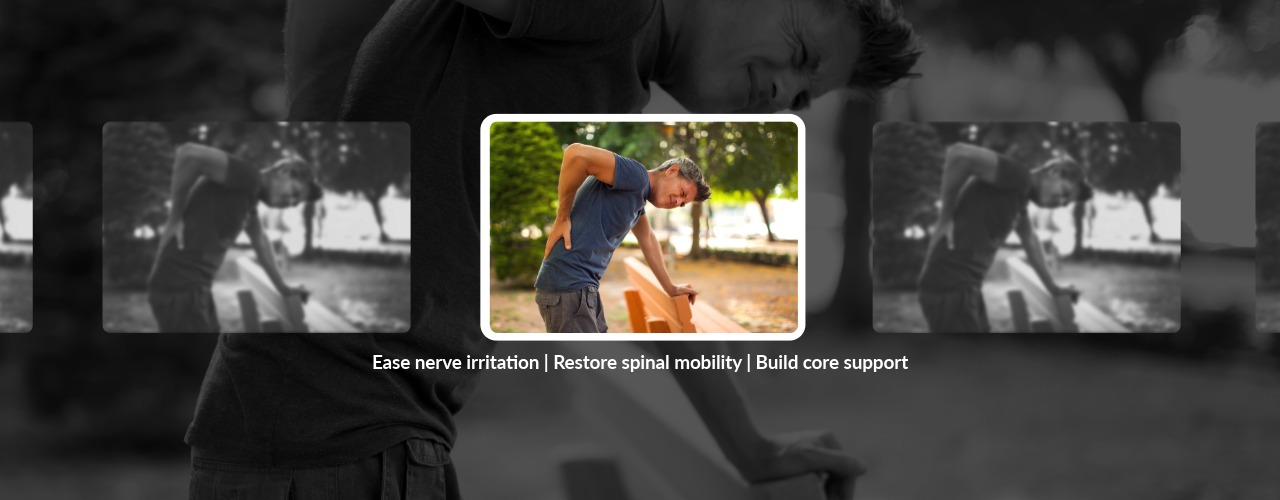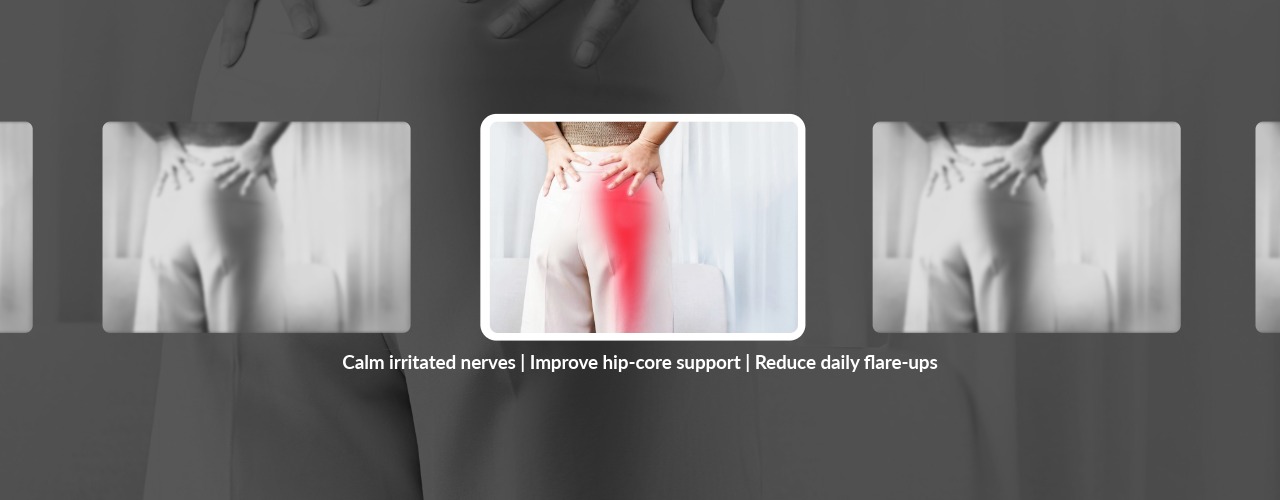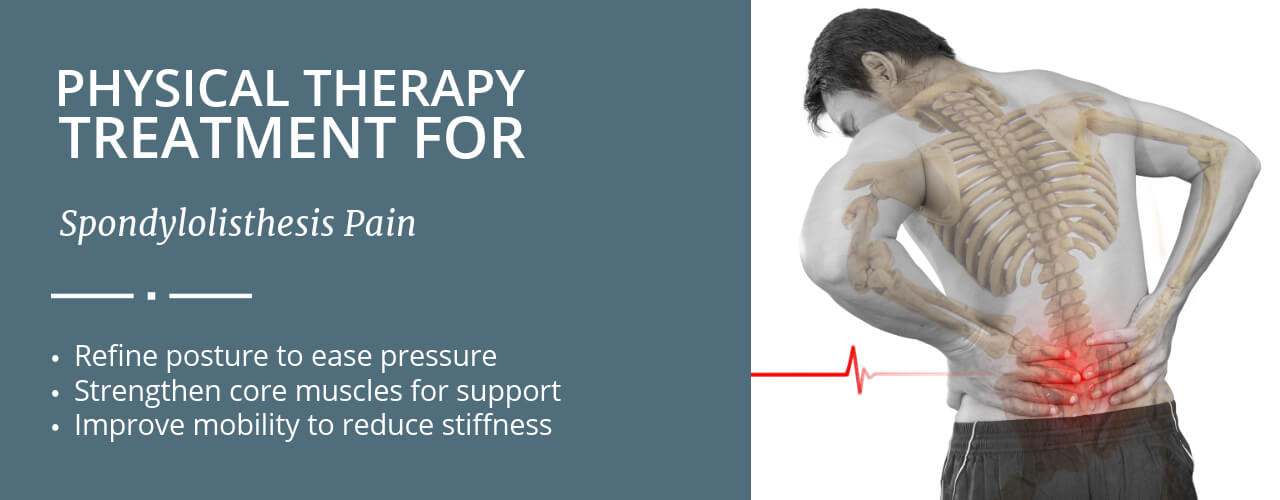

Back pain following an injury can linger long after the initial trauma has healed. Whether the result of a fall, lifting accident, or sports-related incident, pain in the lower or upper back often affects everyday tasks like walking, sitting, bending, or even sleeping. Without proper treatment, these symptoms can become chronic and limit your quality of life. Fortunately, post-injury back pain management through physical therapy provides a research-supported and personalized path to relief and recovery.
At Teton Therapy, our therapists help patients manage pain, restore mobility, and build strength after back injuries using a comprehensive, step-by-step approach tailored to their individual needs.
Understanding the Impact of Back Injuries
A sudden back injury can trigger a range of symptoms, which may vary depending on the severity and location of the injury. These commonly include:
- Muscle stiffness and soreness
- Sharp or aching pain during movement
- Difficulty standing up straight or transitioning between positions
- Pain radiating into the legs (in some cases)
- Limited range of motion
- Protective muscle guarding around the spine
In some cases, patients may develop fear-avoidant behaviors, limiting movement due to fear of re-injury, which can further delay recovery.
Common Misconceptions About Post-Injury Back Pain
There are several myths that can slow progress or cause unnecessary stress for patients dealing with post-injury back pain:
“Resting completely is the best way to heal.”
- While short-term rest may help in the acute phase, prolonged inactivity leads to stiffness, weakness, and slower healing. Movement is essential for recovery.
“Pain means I’m making things worse.”
- Not all pain is harmful. Some discomfort is expected during healing, and physical therapy can help distinguish between safe movement and harmful patterns.
“Back pain always comes back, so there’s no point in therapy.”
- Proper rehab reduces recurrence. Therapy addresses the root causes, such as poor posture, muscle imbalance, or faulty movement mechanics, so healing is long-lasting.
These misconceptions can lead to delays in care or reliance on passive treatments that don’t address the actual cause of discomfort.
How Physical Therapy Supports Post-Injury Back Pain Management
The goal of post-injury back pain management through physical therapy is to promote healing, reduce pain, and help patients return to their normal activities without fear. At Teton Therapy, we offer a structured approach to care that begins with a detailed evaluation and ends with restored function.
1. Comprehensive Assessment
Your physical therapist will evaluate your posture, mobility, strength, and daily movement patterns to identify what’s contributing to your symptoms. This assessment forms the foundation of your treatment plan.
2. Manual Therapy
Hands-on techniques like soft tissue mobilization, joint glides, or muscle release help reduce pain and stiffness, improve circulation, and restore normal spinal mechanics.
3. Movement Re-Education
Many patients develop poor habits after injury. Physical therapists guide you through proper body mechanics and posture adjustments to reduce strain on the spine.
4. Targeted Strengthening
Weak core, hip, and back muscles often contribute to ongoing pain. Your therapist will develop a plan to improve strength in these areas to support and stabilize the spine.
5. Mobility and Flexibility Training
Gentle stretches and mobility drills help restore your natural range of motion without causing further irritation.
Additional Lifestyle and Home Tips for Recovery
In addition to in-clinic therapy, home strategies play a key role in post-injury back pain management:
Stay Active
- Gentle walking and guided home exercises help maintain mobility
Use Proper Ergonomics
- Adjust your work setup to reduce strain while sitting or lifting
Stay Consistent
- Follow your therapist’s instructions and complete home exercises regularly
Avoid Prolonged Sitting or Bedrest
- Set timers to stand and stretch throughout the day
Practice Good Sleep Posture
- Use a pillow that supports your spine’s natural curve
When combined with skilled therapy, these steps support faster recovery and long-term results.
The Outcome: Recovery That Lasts
Patients who complete a course of physical therapy for back injuries often report:
- Reduced daily pain and stiffness
- Improved strength and mobility
- Greater confidence during movement
- Fewer episodes of recurrent pain
- A deeper understanding of how to protect their back in daily life
Best of all, they feel empowered and able to return to work, hobbies, or sports without the fear of re-injury.
Choose Teton Therapy for Your Recovery
If you’re dealing with lingering back pain after an injury, know that you don’t have to manage it alone. At Teton Therapy, our team provides personalized care rooted in current research and patient goals. Post-injury back pain management doesn’t stop at relieving symptoms. It’s about restoring the life you want to live.
Contact us today to schedule your assessment and begin a therapy plan that works for you. Recovery is possible, and we’re here to help you achieve it—step by step.