You probably know that exercise is one of the most beneficial things you can do for your body. In fact, most health professionals consider it to be one of the three pillars of health – along with a good diet and quality sleep. In this article, we’ll break down the basics of exercise: how much you need, what intensity you should aim for, and what actually counts as exercise.
How Much Is Enough?
Adults need at least 150 to 300 minutes per week of moderate-intensity aerobic activity, along with at least 2 days per week of muscle-strengthening activities. While that might seem like a lot at first glance, it actually averages out to about 22 minutes per day if you’re aiming for 150 minutes per week.
Because kids and teens ages 6-17 are in a rapid stage of growth and development, they need more exercise each day than adults do. It’s recommended that kids and teens get 60 minutes of moderate-intensity aerobic activity daily, while stepping it up to vigorous intensity 3 days a week. This should include muscle-strengthening exercises like climbing or swinging on the monkey bars, as well as bone-strengthening activities like running, jumping, and other weight-bearing activities. Help your children explore sports they might be interested in, as well as outdoor activities like hiking, biking, hunting, horseback riding, and more! And don’t forget – playing games in the yard with kids and teens counts towards your exercise minutes too.

How Do I Figure Out My Intensity Level?
When the words ‘exercise’ and ‘intensity’ show up in the same sentence, it’s easy to get nervous. But don’t worry – we can reassure you that moderate intensity doesn’t equal pain and puffing like a winded horse! Here’s a quick, easy breakdown of the three basic intensity levels that are used to rate your level of exertion during exercise:
- Light Intensity is very easy exercise, such as a leisurely stroll. At this level, you’ll probably feel that you can do your current activity indefinitely, and should be able to easily hold a conversation, sing, or whistle.
- Moderate Intensity is exercise that increases your heart rate and makes you feel like you are working your muscles at least some. During moderate exercise, you should still be able to hold a conversation pretty easily – you shouldn’t be pushing yourself to your limit. Examples of moderate intensity exercise include brisk walking, riding a bike, dancing, and mowing your lawn.
- High Intensity is just what it sounds like: you’re really working your muscles and cardiovascular system! During high intensity exercise, you are only able to speak a few words at a time (and singing and whistling are absolutely out of the question.) Examples of this kind of exercise include running, sprinting, vigorous/steep hiking, cross-country skiing, jump roping, and climbing stairs.
Sticking with moderate intensity exercise is sufficient for the needs of most adults, so don’t feel like you need to be miserable during your workout. You’re much more likely to stick with it if you enjoy what you’re doing.
What Counts As Exercise?
Growing up, we’re often conditioned (though not purposely) to think that only the things we do in our P.E. classes count as exercise. Running, sit-ups, push-ups, organized sports, expensive equipment, and the like often are the first things that come to mind when we think of physical activity. While these things are all great ways to get our minutes in (especially for kids and teens) and we definitely recommend them if you like to do them, they aren’t the only ways to exercise. The great news is that lawn work, walking the dog, doing household chores, and gardening all count too!
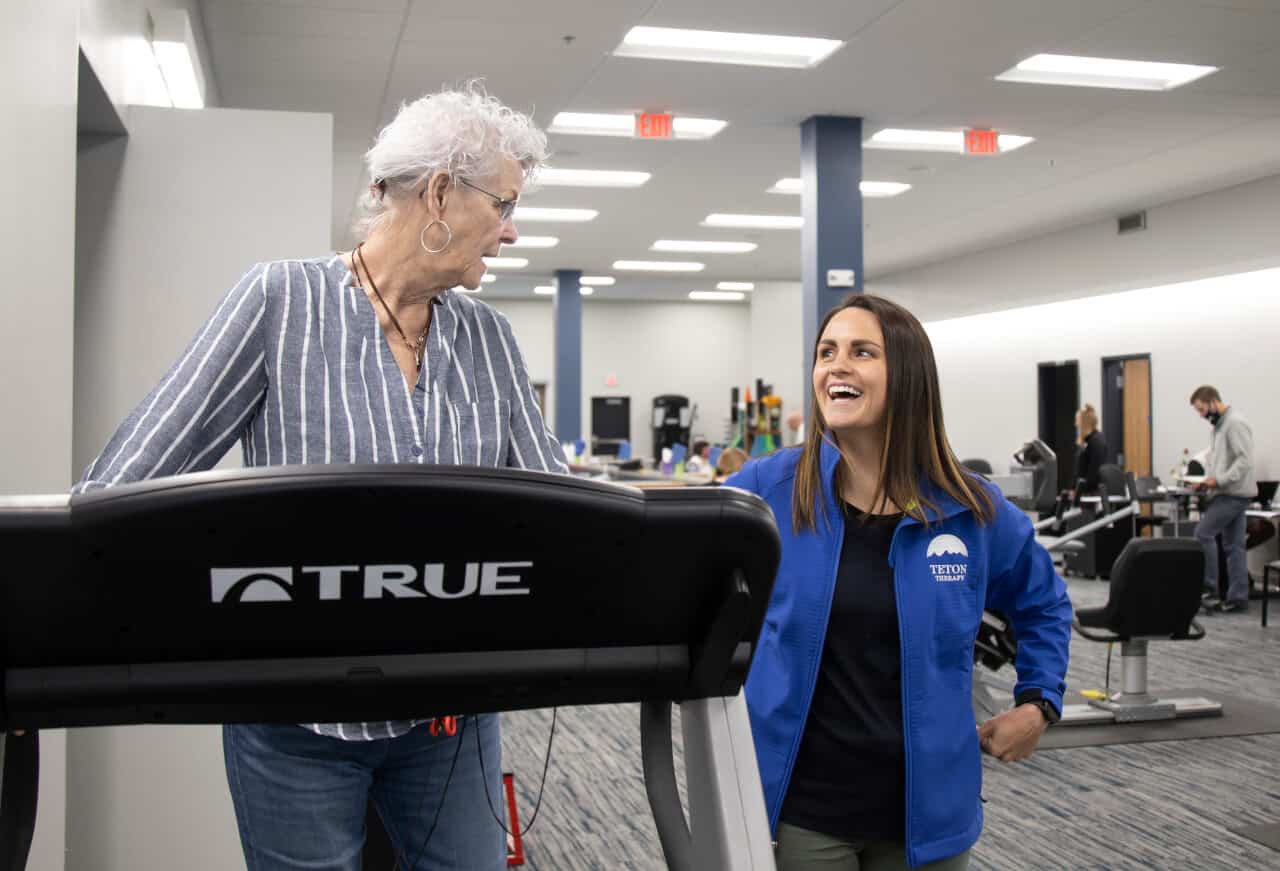
These activities are also beneficial for older adults and those who are managing chronic musculoskeletal conditions because they aren’t nearly as hard on your hips, knees, and feet. So don’t discount your daily physical activity. You don’t neccessarily need to put in a hardcore 45 minutes at the gym every day – just enjoying a brisk walk with a good friend is enough to reap the many health benefits of exercise.