By Kimberlee Reichert, PTA, Teton Therapy Cheyenne
Have you noticed it is more difficult to maintain your balance and stay strong as you age? There are a few reasons why you may be experiencing this:
- People tend to lose 3-5% of their muscle mass per decade after the age of 30.
- Older populations can experience hormonal changes, nervous system changes, poor nutrition, and inflammation.
- Decreased balance can be caused by inner ear deterioration, slower cognitive processing, cardiovascular changes and medical conditions/medications.
Because of these changes, it is vital that we keep up with our health and know what steps we have to take in order to maintain our balance and stay strong as we get older.
How do we stay strong?
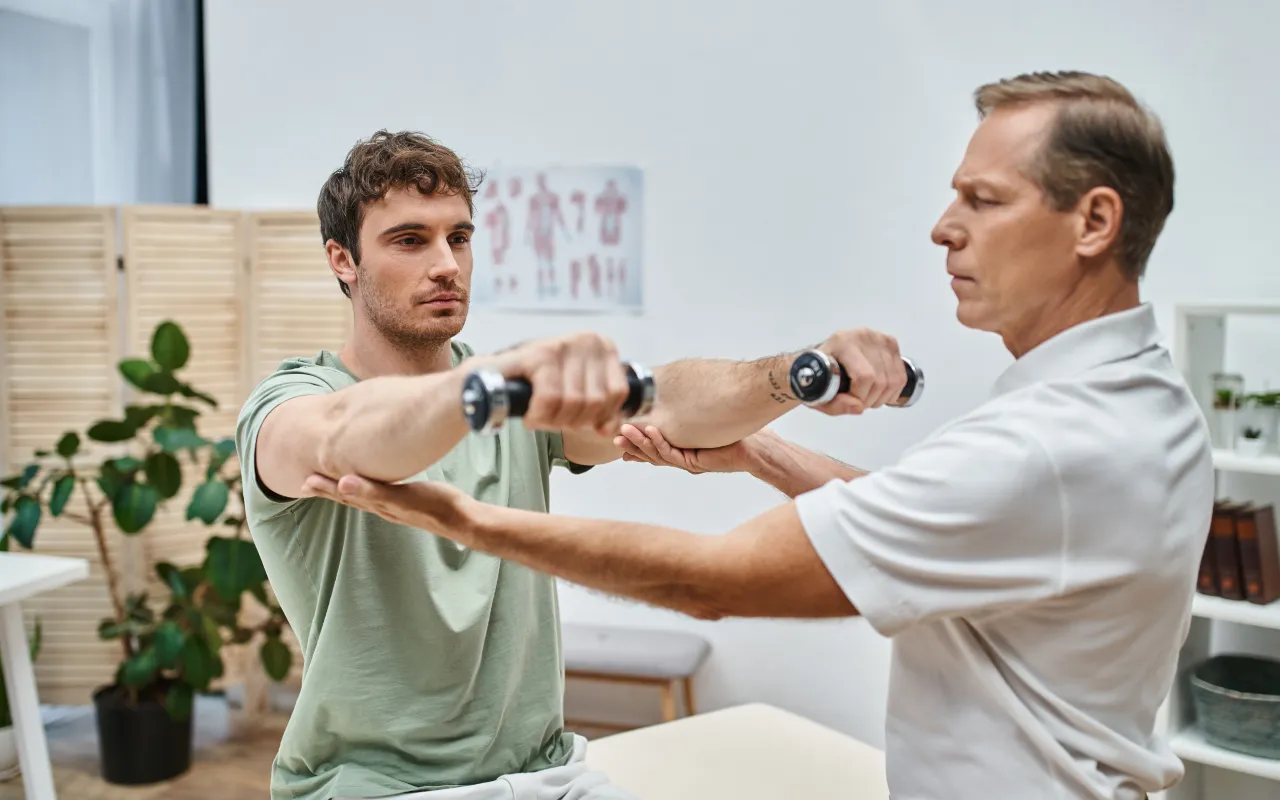
There are multiple ways to build strength as we age, including resistance training, aerobic exercises, and functional training. Implementing an exercise program can be an enjoyable part of your daily life if you choose which type of exercise is enjoyable for you:
Resistance training – The primary focus of resistance training is to build strength by using an external force. This can include resistance bands, dumbbells, machines and even your own body weight.
Aerobic exercise – The main goal for aerobic exercise is to increase your heart rate and use the major muscle groups in your body. This increases strength by improving muscular endurance and by delivering oxygen to the muscles. Examples of aerobic exercises include walking, running, swimming, cycling, dancing or even using machines such as a treadmill or elliptical.
Functional training – This type of exercise “is designed to prepare the body for daily life, work and sports by improving movement efficiency and strength.” Some good examples of functional training include exercises like squatting and farmer’s carries.
How do we maintain our balance?
It’s important to recognize the signs that balance may be an issue or may become an issue in the future. Indicators of poor balance include feeling dizzy, unsteady, tripping/stumbling and falling.
If you’ve noticed any of these signs, you don’t have to navigate them alone. The balance experts at Teton Therapy are here to help you regain confidence, improve stability, and get back to living life fully—reach out today to start feeling steadier tomorrow.
Take the First Step
Call, text or click to schedule your free balance consultation today!
In Cheyenne, 307-514-9999
In Lander, 307-332-2230
In Riverton, 307-857-7074
Or find us on the web at TetonTherapypc.com
Resources:
https://my.clevelandclinic.org/health/diseases/23167-sarcopenia
https://my.clevelandclinic.org/health/articles/7050-aerobic-exercise
https://pmc.ncbi.nlm.nih.gov/articles/PMC4523889
https://www.healthline.com/health/fitness/functional-fitness-adults#squat
Picture reference
https://www.hingehealth.com/resources/articles/single-leg-stance