Arthritis is one of the most common causes of pain and mobility limitations in adults. It can affect any joint in the body and often disrupts daily routines, making simple movements like walking, standing, or climbing stairs feel uncomfortable or even impossible. For many, stiffness and swelling become part of their everyday experience. But the good news is that with the right strategies in place, symptoms can be reduced, and function can be restored. That’s where arthritis pain management comes in.
At Teton Therapy, we help patients take control of their arthritis symptoms through personalized physical therapy plans designed to improve joint mobility, reduce pain, and support an active lifestyle.
Understanding How Arthritis Impacts the Body
Arthritis is not a single condition but a broad term that includes more than 100 types of joint inflammation. The most common forms are osteoarthritis and rheumatoid arthritis. Both conditions can lead to joint damage, stiffness, weakness, and pain, but they affect the body in different ways.
- Osteoarthritis results from wear and tear over time, causing cartilage to break down and bones to rub together.
- Rheumatoid arthritis is an autoimmune condition where the body’s immune system mistakenly attacks joint tissues, leading to inflammation and damage.
Areas Arthritis Commonly Impacts
Joint Mobility
- Inflammation and joint degeneration can limit range of motion.
Muscle Strength
- Inactivity due to pain often leads to weakness around the affected joints.
Balance and Coordination
- Pain and stiffness may change walking patterns and reduce stability.
Posture and Alignment
- Compensation for sore joints may shift your natural posture and strain other areas.
Over time, these changes can increase the risk of falls, reduce independence, and lead to a more sedentary lifestyle.
Common Symptoms That Affect Daily Function
Many patients describe a pattern of discomfort that includes:
- Joint stiffness in the morning or after periods of rest
- Aching pain during or after movement
- Swelling or tenderness around the joints
- Limited flexibility or difficulty completing daily tasks
- Fatigue from dealing with ongoing pain
These symptoms often come and go, but when left untreated, they can lead to long-term limitations in strength, mobility, and quality of life.
How Physical Therapy Plays a Key Role in Arthritis Pain Management
Arthritis pain management isn’t just about reducing discomfort, it’s about restoring mobility, improving function, and helping you stay active. Physical therapy addresses both the symptoms and the underlying causes of joint stress to support lasting relief.
Key Benefits of Physical Therapy for Arthritis
Improved Joint Mobility
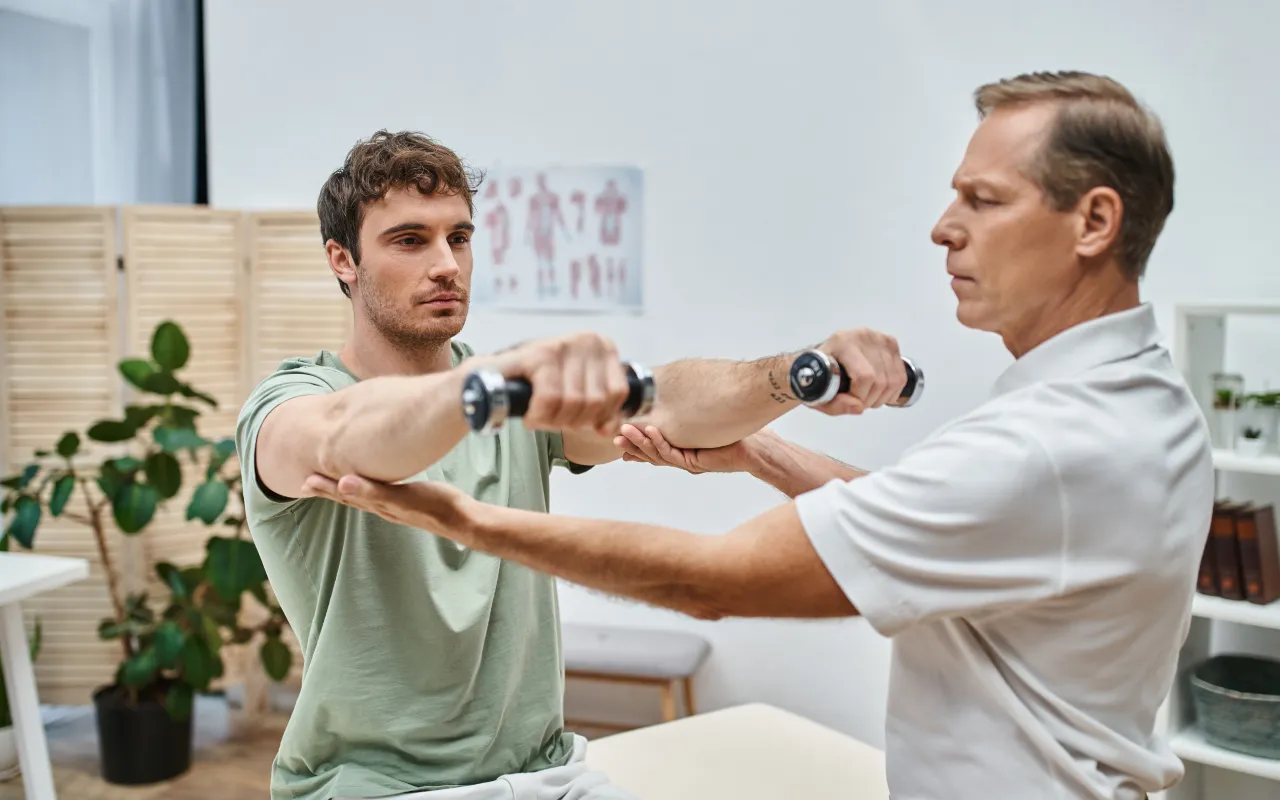
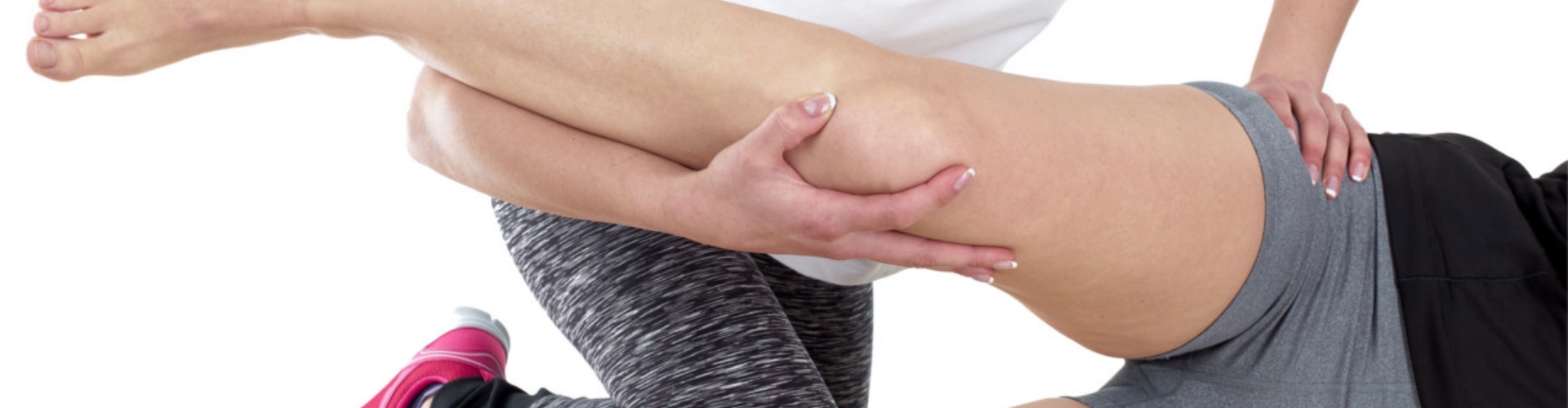
- Therapists use gentle range-of-motion techniques to reduce stiffness and restore movement.
Increased Strength
- Strengthening surrounding muscles reduces strain on the joint and improves stability.
Better Posture and Body Mechanics
- Training in safe movement helps you avoid further joint stress.
Enhanced Balance and Coordination
- Especially important in older adults to reduce the risk of falls.
Pain reduction strategies: Hands-on techniques, heat or cold therapy, and targeted exercises help control inflammation and discomfort.
At Teton Therapy, each treatment plan is customized to the individual. Whether you’re managing arthritis in your knees, hips, shoulders, or hands, our team focuses on the joints and activities that matter most to you.
Everyday Arthritis Pain Management Tips You Can Use
Alongside professional care, there are several ways to manage arthritis symptoms at home and during daily routines:
Keep Moving
- Low-impact activities like walking or swimming help maintain joint function.
Apply Heat in the Morning
- Warm packs or showers can reduce morning stiffness.
Use Cold Packs After Activity
- Ice may help reduce swelling and discomfort.
Modify Your Home Setup
- Supportive seating, grab bars, or kitchen tools with larger grips can ease strain on painful joints.
Stretch Regularly
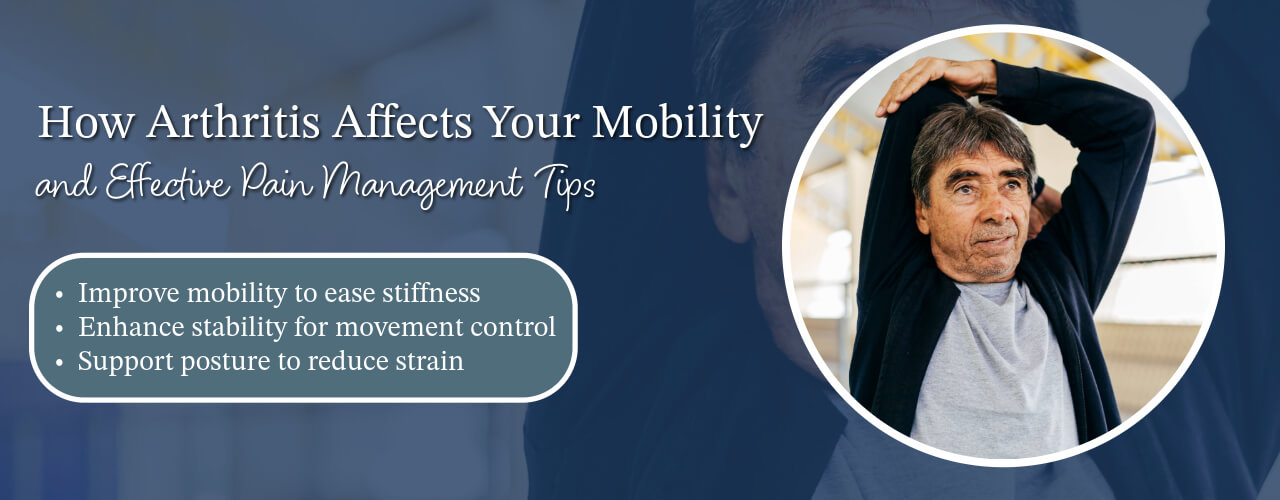
- Gentle stretching helps maintain mobility and reduce tension.
Listen to Your Body
- Avoid overexertion and learn to balance activity with rest.
Consistency matters. Regular movement and small adjustments to your environment can make a big difference in managing symptoms.
When to Seek Help from a Physical Therapist
If arthritis is interfering with your daily life, whether that’s walking, working, or enjoying hobbies, it may be time to consider professional care. A physical therapist can:
- Help you move safely and confidently
- Address weakness or compensatory movement
- Reduce reliance on medication
- Improve overall joint health
Support your goals, whether it’s walking farther, kneeling to garden, or getting on the floor to play with grandchildren
Our therapists at Teton Therapy work with patients of all ages and stages of arthritis to create practical, evidence-supported care plans.
Take the Next Step Toward Comfort and Mobility
Arthritis may be a lifelong condition, but that doesn’t mean you have to live in pain or give up your favorite activities. With a thoughtful and consistent plan, arthritis pain management can help you stay mobile, independent, and in control of your health.
Contact Teton Therapy today to schedule a personalized evaluation. Our team is here to help you move more freely, manage symptoms effectively, and stay active in the years to come.