

Create Your Own Path To Stronger Bones
Do you ever find yourself worrying about your bone health? Perhaps a family member has been diagnosed with osteoporosis, or maybe you’ve noticed a slight decrease in your height or stooped-over posture. It’s natural to feel concerned, but the good news is that there are effective ways to manage and even improve bone health. One such method that is gaining increasing recognition is strength training with physical therapy.
The Connection Between Osteoporosis and Strength Training
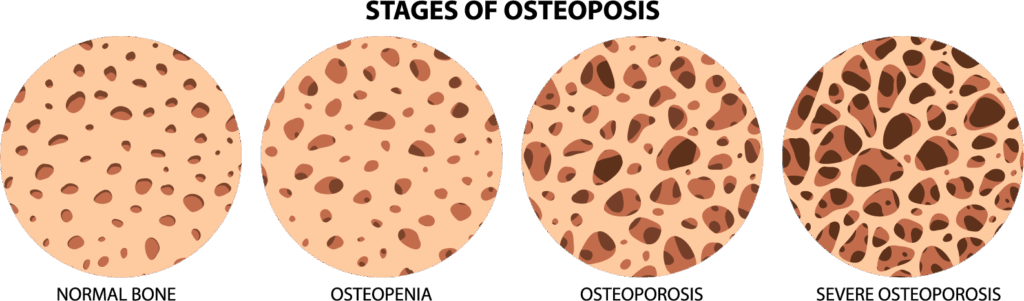
Osteoporosis is a condition characterized by decreased bone mass and density, leading to increased bone fragility and a higher risk of fractures. It affects millions of people worldwide, particularly women after menopause.
Causes of Osteoporosis
Risk Factors
Symptoms
If you suspect you may have osteoporosis or are at risk, it’s crucial to seek medical evaluation and guidance.
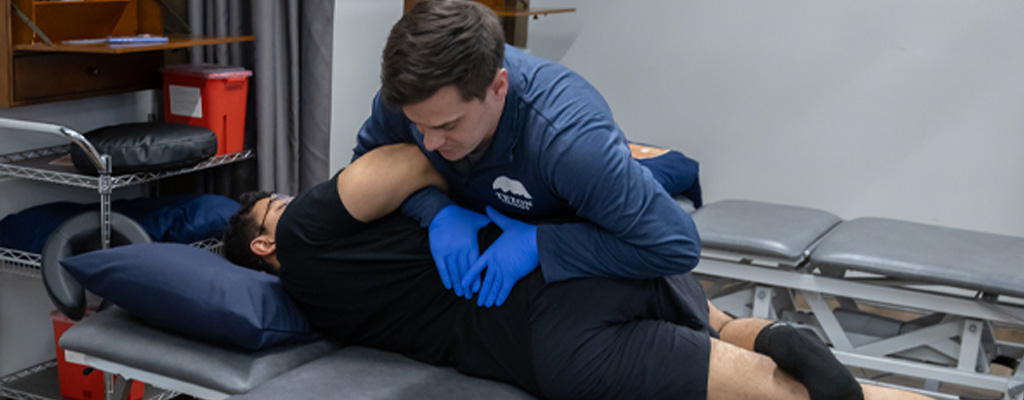
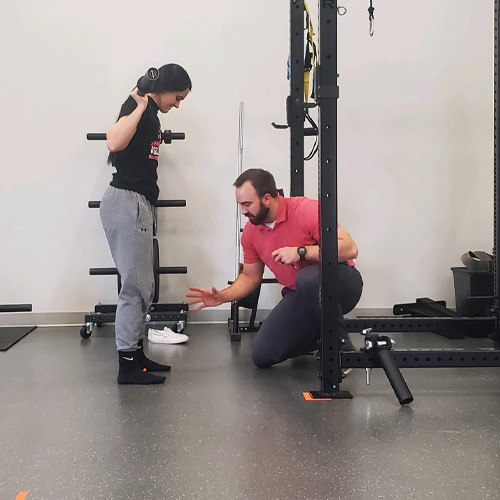
Strength training with physical therapy techniques involves using weights, resistance bands, or body weight to challenge your muscles and bones. When you engage in strength training exercises, you create a mechanical load on your bones, stimulating bone cells called osteoblasts to build new bone tissue, which increases bone mass and strength. Furthermore, strength training improves muscle mass and balance, which helps reduce the risk of falls and fractures.
Personalized Strength Training Program For Osteoporosis
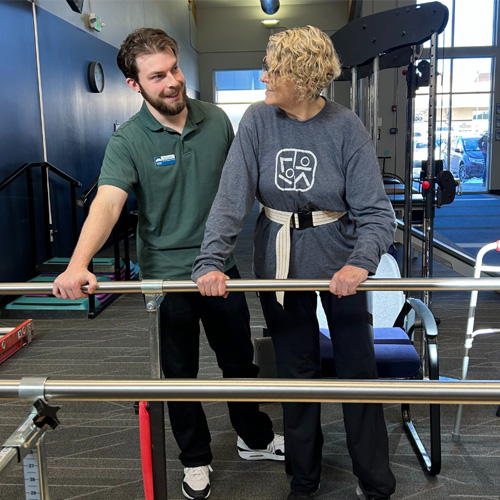
A 75-year-old woman came to our clinic after being diagnosed with osteoporosis. She had a noticeable decrease in her height and a family history of osteoporosis. She was anxious about the possibility of fractures and falls and was eager to find ways to improve her bone health.
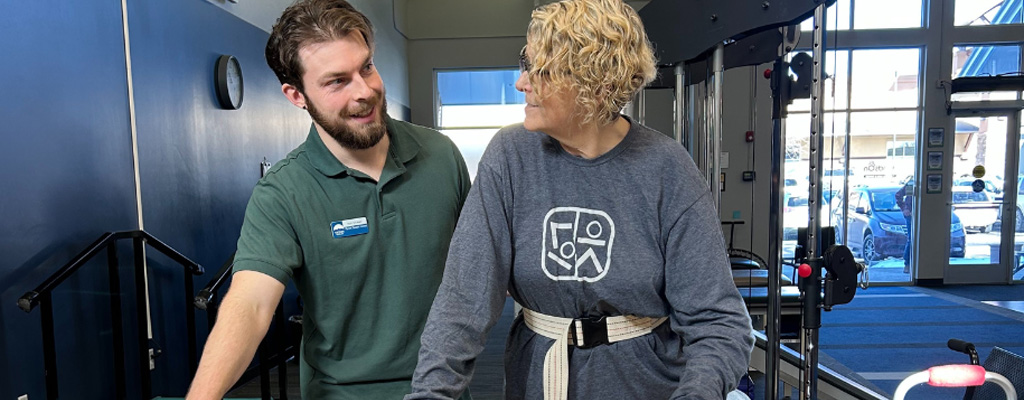
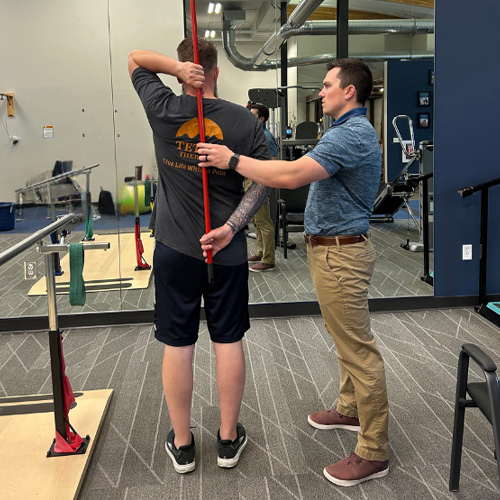
Our physical therapists worked with her to develop a comprehensive strength training program. She started with low-impact exercises using resistance bands and gradually progressed to using weights and bodyweight exercises. Her program focused on strengthening her hips, spine, and core muscles, improving her posture, and increasing her overall strength and balance.
Over time, she noticed significant improvements in her strength and posture and also felt more confident and empowered. Strength training helped to improve her physical health and left a positive impact on her mental and emotional well-being.
Strength Training For Osteoporosis at Teton Therapy
Incorporating strength training into a physical therapy program with our dedicated professionals is a safe and effective way to manage osteoporosis. We will conduct a thorough assessment, considering your medical history, current symptoms, and fitness level. Then we’ll design a personalized exercise program that targets specific muscle groups, focuses on proper form and technique, and gradually progresses in intensity as your strength and endurance improve.
If you or someone you know is struggling with osteoporosis, don’t wait any longer to schedule the first appointment. Our team of experienced physical therapists is here to help you enhance your well-being with stronger bones and improved mobility through a personalized treatment plan that addresses your specific needs and goals.
Remember, it’s never too late to take control of your bone health. Call us today to schedule an appointment and start building a stronger, healthier you!
Your Success Is Our Priority!
Ready to keep moving forward? Return to Teton Therapy and schedule your appointment now!
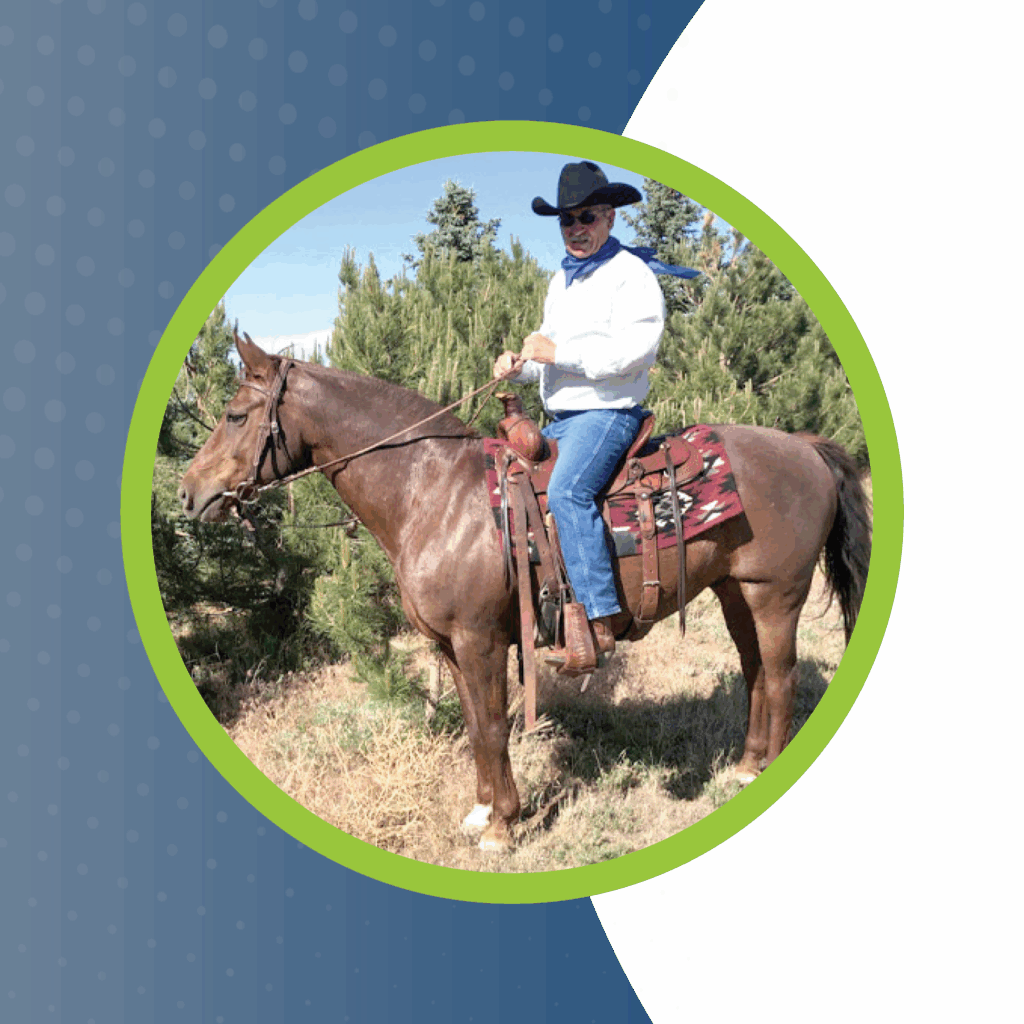
“Occupational Therapy is working miracles on my bicep/tricep pain. I have gone from a lot of pain to little over these months. I also have less pain when riding horses and caring for them!”
-J.V.
SHARE YOUR SUCCESS STORY TODAY!
Follow Us on Social Media!


Turn your holiday leftovers into something fresh and flavorful with this Leftover Turkey Salad recipe. It’s a light, delicious way to enjoy tender turkey mixed with crisp veggies and a creamy dressing—perfect for an easy lunch or quick dinner!
Teton Therapy’s Seasonal Recipe
Leftover Turkey Salad
- 1 cup leftover bread stuffing
- 4 tbsp extra-virgin olive oil
- ¼ cup leftover cranberry sauce
- 1 tbsp cider vinegar
- 1 tsp grated orange zest
- ¼ tsp salt
- ¼ tsp ground pepper
- 8 cups mixed salad greens
- 2¼ cups chopped leftover turkey
- 1 cup leftover roasted vegetables
- 3 tbsp dried cranberries
Heat 1 tablespoon oil in a large nonstick skillet over medium heat. Add stuffing and cook, stirring, until crisp, 8 to 11 minutes. Set aside. Whisk cranberry sauce, remaining 3 tablespoons oil, vinegar, orange zest, salt and pepper together in a large bowl. Add greens, turkey and roasted vegetables; toss to coat. Sprinkle with the stuffing croutons and dried cranberries.

Tips for Hosting Thanksgiving when Arthritis Affects Your Hands
Thanksgiving is just around the corner, and if you’re hosting this year, you’re probably already thinking about menus and logistics. But if you have arthritis in your hands, all this planning might also cause you a bit of worry.
After all, the pain and stiffness of arthritis can make the various hosting tasks–from meal prep to decorating–much more challenging. Fortunately, the Teton Therapy occupational therapists are here with some of our favorite tips to make your Thanksgiving celebration much more comfortable.
1. Get started early.
- Spread out the workload in the lead-up to the holiday. Prepare dishes a day or two early so you don’t have to do everything at once.
2. Don’t be afraid to ask for help.
- Get your family involved with prep by asking them to assist with tasks, such as chopping, stirring, or carrying heavy dishes. Thanksgiving is meant to be a communal affair, after all!
3. Use the right tools for your needs.
- A few simple swaps can make a big difference. For example, go with the lightweight cookware and ergonomic utensils with wide, cushioned grips. Food processors and electric can openers can replace repetitive motions that trigger pain.
4. Adjust your movements to protect your hands.
- You might place a heavy casserole dish on a towel and slide it across the counter, rather than picking it up and carrying it. We also recommend serving the meal buffet-style, which reduces the need to constantly lift and pass dishes.
5. Practice self-care whenever you need it.
- Several strategies can get you through Thanksgiving day, such as warm compresses to loosen up stiff joints or strategically taking prescribed pain medication before a long cooking session. And don’t forget to take breaks whenever you need one!
Don’t let arthritis impact your Thanksgiving dinner. These strategies can help reduce hand pain while keeping the holiday joyful. And remember, if you need additional tips, don’t hesitate to schedule an appointment with the Teton Therapy OTs!
Exercise of the Month
STRAIGHT LEG RAISE
Lie on your back on a mat with both knees comfortably bent. Straighten the knee you wish to exercise. While keeping your knee straight, lift your leg up to the height of your opposite knee (45 degrees from the ground). Hold for 2 seconds. Slowly lower your leg back down.
2 Sets, 10 Reps.

No Deductible November: Use Your Benefits Before They Reset
If you’ve already met your health insurance deductible, November is the perfect time for Physical or Occupational Therapy at Teton Therapy—many patients pay little or nothing out of pocket through year’s end.
Don’t let your 2025 benefits go to waste. Schedule now to address pain, mobility issues, or post-surgical rehab before deductibles reset on January 1.
Appointments fill quickly! Call your nearest Teton Therapy clinic or visit tetontherapypc.com today.
November Word Scramble
nrbareycr
tfuisngf
ouoarncpic
iamylf
drapea
altkunhf
Answer Key
cranberry
stuffing
cornucopia
family
parade
thankful