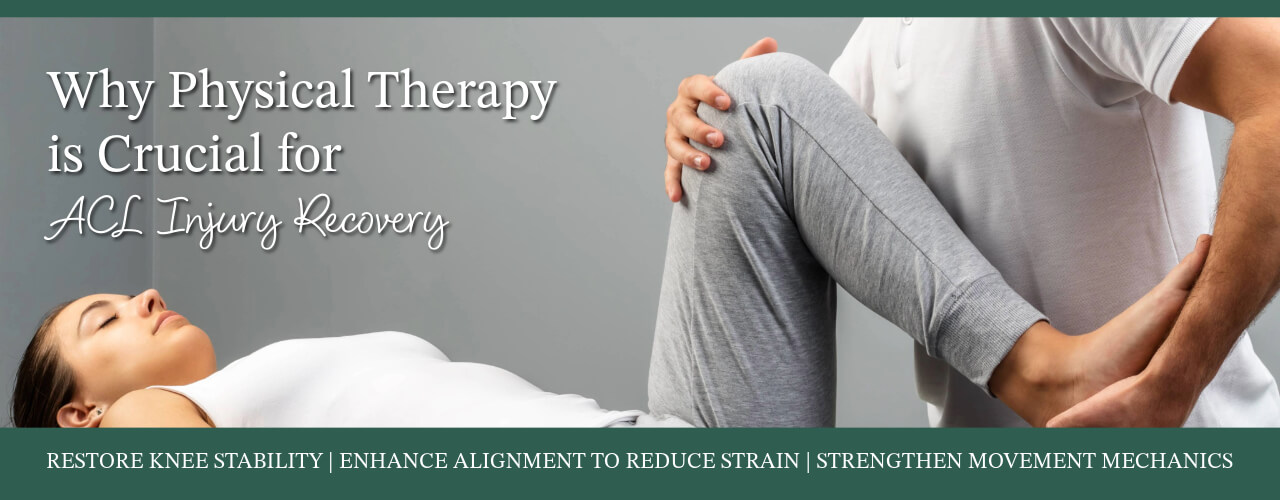
When Monica (not her real name) first tore her ACL during a recreational soccer game, she immediately felt the sharp pain and instability that so many athletes describe. Walking became difficult. Her knee felt weak, swollen, and unreliable. After her orthopedic consult confirmed the ACL tear and surgery was scheduled, her surgeon emphasized one key element for success: ACL injury recovery with physical therapy.
At Teton Therapy, Monica began her rehab journey with a clear goal to return to her active lifestyle without fear of re-injury. Through a structured and evidence-based recovery plan, Monica regained her mobility, strength, and confidence.
Understanding the Impact of an ACL Injury
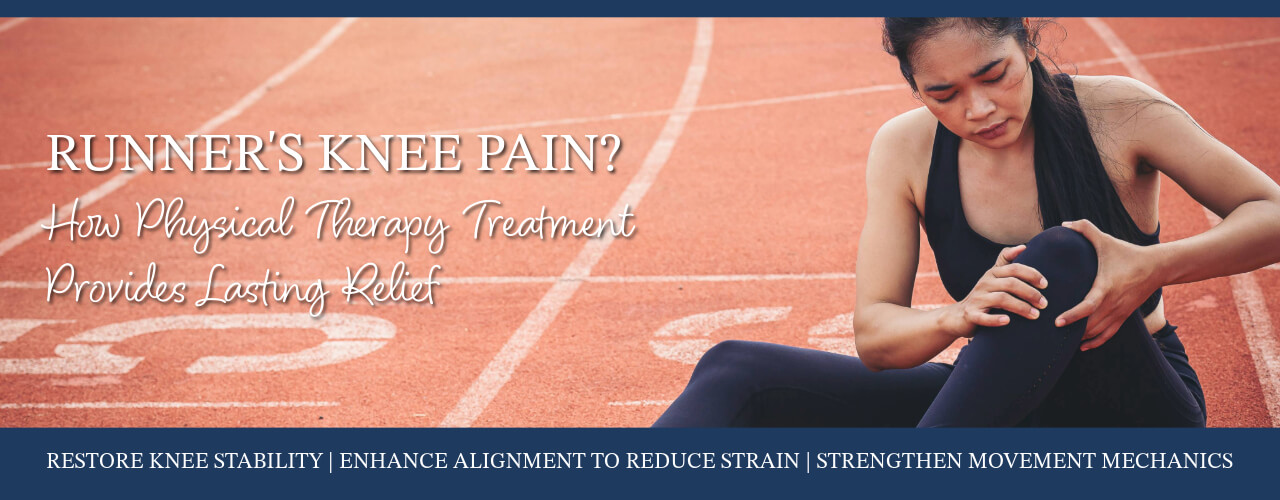
The anterior cruciate ligament (ACL) is one of the main stabilizing ligaments of the knee. When injured, it compromises the joint’s ability to stay steady during movement. Common symptoms following an ACL tear include:
- A sudden “pop” at the time of injury
- Swelling and stiffness
- Difficulty bearing weight
- Loss of full range of motion
- Instability during walking or pivoting
Monica experienced nearly all of these symptoms and was frustrated by her limitations. She wanted to return to sports but was also concerned about damaging her knee again.
Post-Surgical Challenges and Early Rehab
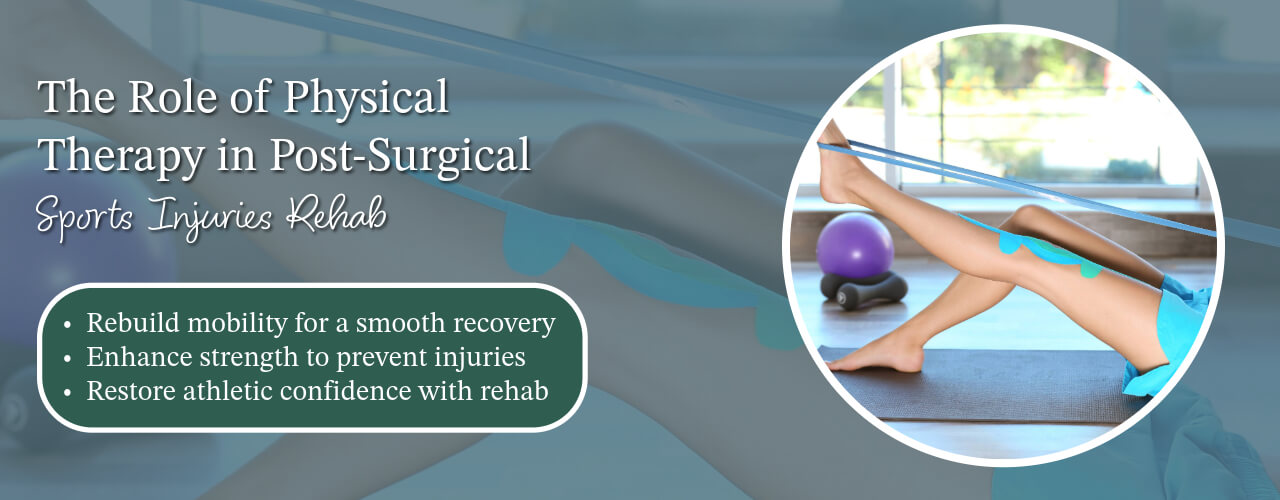
Following her ACL reconstruction, Monica’s initial therapy sessions at Teton Therapy focused on reducing swelling, restoring knee mobility, and protecting the healing tissue. Gentle exercises and manual techniques helped her regain motion without stressing the graft site.
Progress was slow at first, and Monica worried she would never get back to where she was before. But her physical therapist reassured her that structured ACL injury recovery with physical therapy was the key to healing well and safely.
The Power of ACL Injury Recovery with Physical Therapy
Healing stronger starts with a targeted plan. Monica’s program for ACL injury recovery with physical therapy included:
- Progressive weight-bearing exercises to rebuild strength in the quadriceps and hamstrings
- Balance and proprioception training to restore knee awareness and prevent future injury
- Neuromuscular re-education to correct movement patterns and reduce strain on the joint
- Sport-specific drills to simulate real-life activities and prepare her for a safe return to play
- Education on pacing, brace use, and re-injury prevention strategies
Throughout each phase, her therapist adjusted the plan based on how her knee responded. This ensured progress without pushing too far too soon.
While her knee improved physically, Monica also struggled with the fear of re-injury. Her physical therapist addressed this by gradually introducing drills that mimicked her sport while monitoring form, strength, and control. This built her confidence with each session.
The Final Phase: Return to Performance
By month five of therapy, Monica was jogging without discomfort. She progressed to sprinting, lateral movements, and jumping drills under supervision. At every stage, her therapist tracked progress with objective testing and feedback.
She completed a final functional assessment that evaluated power, agility, and endurance. With her therapist’s approval, she returned to her team and began participating in practices with a plan in place for continued maintenance.
Outcome: A Confident Return and Full Recovery
Today, Monica is back on the soccer field, playing without restriction. She continues to follow a strength and stability routine to protect her knee and reports no lingering pain or instability.
Her journey highlights what many patients learn through experience: ACL injury recovery with physical therapy is not optional; it’s essential. Without it, healing may be incomplete, and the risk of re-injury significantly increases.
Start Your ACL Recovery with the Right Team
If you’ve recently had an ACL injury or surgery, know that the right care can make all the difference. Physical therapy is not just about recovery; it’s about restoring performance, reducing fear, and giving you the tools to move forward with confidence.
Contact Teton Therapy today to start your personalized rehabilitation plan. We’re here to help you heal stronger and return to what you love.