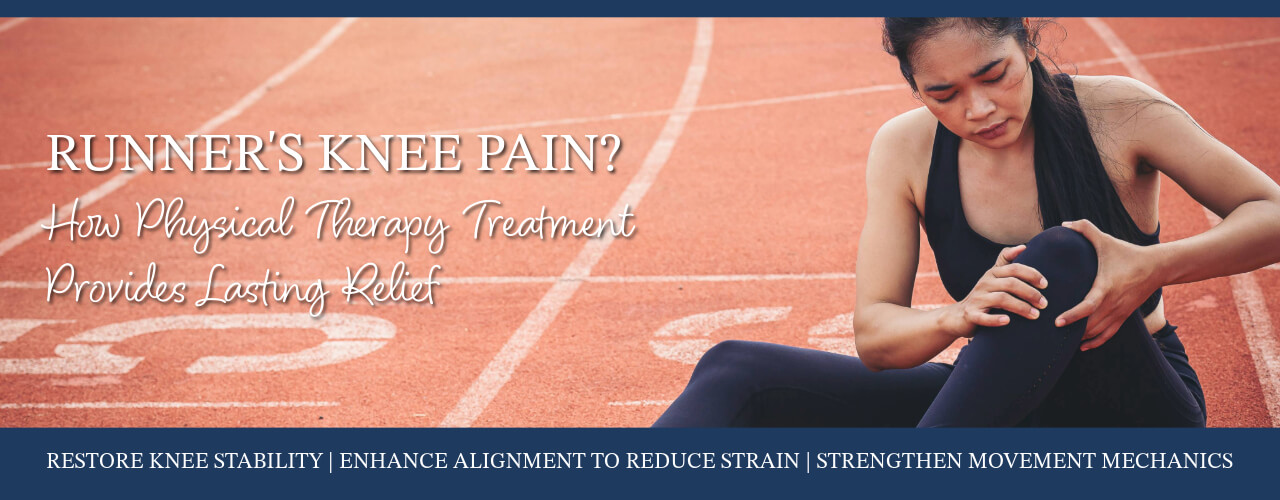
When Dean (not his real name) first arrived at Teton Therapy, he was frustrated. A lifelong runner, he had recently started experiencing persistent pain in the front of his knee that worsened with each mile. The discomfort appeared during long runs, on stairs, and even after sitting for extended periods. After some research and an initial evaluation with his physician, Dean was diagnosed with patellofemoral pain syndrome, more commonly known as runner’s knee. He began looking into options and chose physical therapy as his primary treatment for runner’s knee.
This decision marked the turning point in his recovery. With a structured, personalized therapy plan and the support of the Teton Therapy team, Dean regained comfort, control, and confidence on the trail.
Dean’s Initial Condition: Pain, Limitations, and Frustration
Before starting therapy, Dean described his pain as sharp and localized around the kneecap, especially after running hills or completing longer distances. He also felt stiffness when getting out of bed or after sitting in his office chair for more than 30 minutes.
The pain disrupted his routine, limiting not just his runs but daily activities like kneeling, squatting, and even walking up stairs. Dean tried stretching and resting, but neither provided lasting relief. He worried that his running days might be behind him.
On his first visit to Teton Therapy, Dean underwent a comprehensive evaluation. His physical therapist identified several contributing factors to his symptoms, including:
- Weakness in the hip and glute muscles
- Poor tracking of the kneecap during movement
- Limited mobility in the ankle
- Muscle imbalances contributing to poor shock absorption while running
Together, these factors created excessive strain on Dean’s knee joint during repetitive activities like running and stair climbing. His therapist explained that effective treatment for runner’s knee would require more than rest, it would need active retraining and support to correct the underlying issues.
The Treatment Plan: Strength, Mobility, and Mechanics
Dean’s care plan at Teton Therapy included multiple components tailored to his specific needs and running goals:
1. Targeted Strengthening Exercises
Dean began working on strengthening the muscles that support knee alignment, especially the glutes, hips, and quadriceps. His therapist guided him through progressive resistance training that safely challenged these areas while minimizing joint strain.
2. Manual Therapy for Soft Tissue and Joint Mobility
Hands-on techniques helped improve mobility in Dean’s ankle and release tension in overworked tissues around the knee. Manual therapy also addressed tightness in the IT band and quadriceps, both of which contributed to altered kneecap movement.
3. Gait and Movement Retraining
Through video feedback and cueing, Dean learned to improve his posture and alignment during running. Small adjustments in his stride and foot placement significantly reduced knee stress.
4. Education and Home Program
Dean received instruction on warm-ups, cooldowns, and recovery strategies to reduce future injury risk. His therapist also designed a home exercise program to maintain progress between sessions.
The Importance of Personalized Treatment for Runner’s Knee
No two cases of runner’s knee are identical. That’s why personalized treatment for runner’s knee is so important. Dean’s recovery hinged on more than just rest or stretching, it required identifying the mechanical causes of his pain and addressing them with a focused plan.
At Teton Therapy, therapists use movement screenings, muscle testing, and activity-specific training to uncover and correct the root problems contributing to knee pain. By focusing on the whole body, not just the knee, patients like Dean experience more durable outcomes and a safer return to activity.
Dean’s Results: Back on Track and Pain-Free
After several weeks of consistent therapy, Dean reported:
- A full return to running, including hill work and longer distances
- No pain during daily activities like climbing stairs or driving
- Improved strength and control during functional movements
- A deeper understanding of how to prevent recurrence
Most importantly, Dean felt empowered. He no longer feared pain while running or questioned his ability to stay active. With a better understanding of his body and tools to manage future flare-ups, he left therapy confident and capable.
Your Recovery Starts Here
Runner’s knee can be discouraging, but it does not have to mean the end of an active lifestyle. With the right evaluation and evidence-based treatment for runner’s knee, most people can make a full recovery and return to the activities they love.
If you are struggling with persistent knee pain during or after exercise, contact Teton Therapy to schedule an assessment. Our team will work with you to identify the cause, develop a personalized plan, and guide your progress every step of the way.